What Changed-and Why It Matters
World Labs, led by Fei‑Fei Li, launched Marble, a commercial “world model” that generates persistent, downloadable 3D environments from text, photos, video clips, panoramas, or block‑outs. Unlike on‑the‑fly world generators, Marble’s scenes can be exported as Gaussian splats, meshes, or videos and edited with an AI‑native toolset. For teams in games, VFX, VR, and robotics, this moves generative worlds from demos to pipeline‑ready assets.
- Immediate impact: persistent 3D exports reduce the “morphing” seen in real‑time world models and make camera paths, lighting, and game engine integration predictable.
- Input flexibility and control: multi‑image/multi‑view inputs plus a hybrid 3D editor (Chisel) let you separate structure from style for faster iteration.
- Costs and rights: Free (4 gens), Standard $20/month (12), Pro $35 (25, adds commercial rights), Max $95 (75, all features). Roughly $1.27-$1.67 per generation; confirm usage and rights terms.
- Limits to note: single “expand world” operation per scene, Chisel is experimental, and quality remains variable by prompt and view coverage.
- Competitive angle: more production‑oriented than research previews (e.g., Google’s Genie) or free demos (Decart, Odyssey) because it outputs editable 3D.
Breaking Down the Announcement
Marble turns text and visual inputs into navigable 3D spaces you can download. The company positions this as a step beyond its real‑time model (RTFM) and other research‑only “world models,” focusing on persistence and export. New features include:
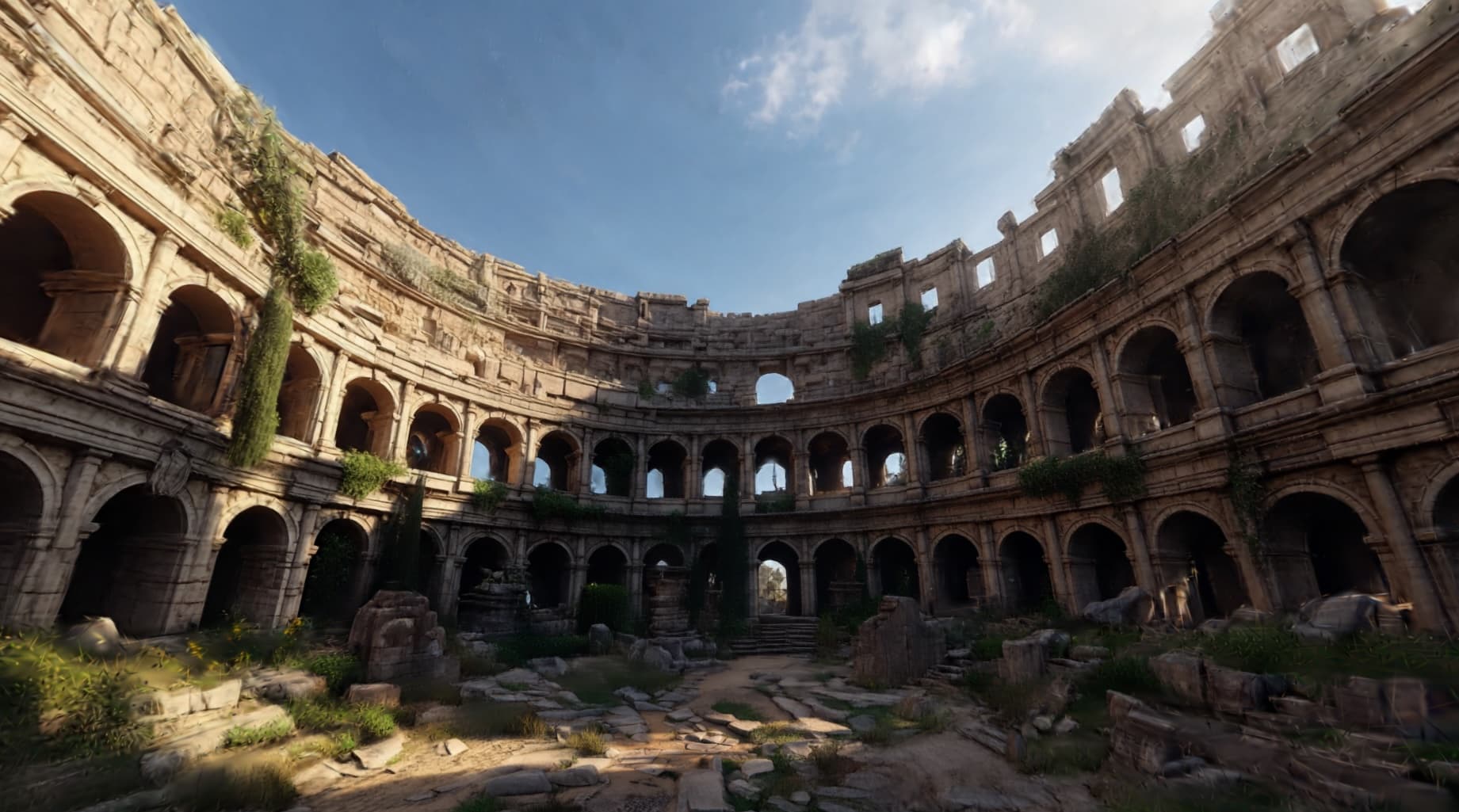
- AI‑native editing (Chisel): block out walls, planes, and objects, then apply text prompts to style the scene. You can directly manipulate placeholder objects before AI fills details.
- Scene expansion: once per world, you can extend a fraying edge region to add detail where users are exploring.
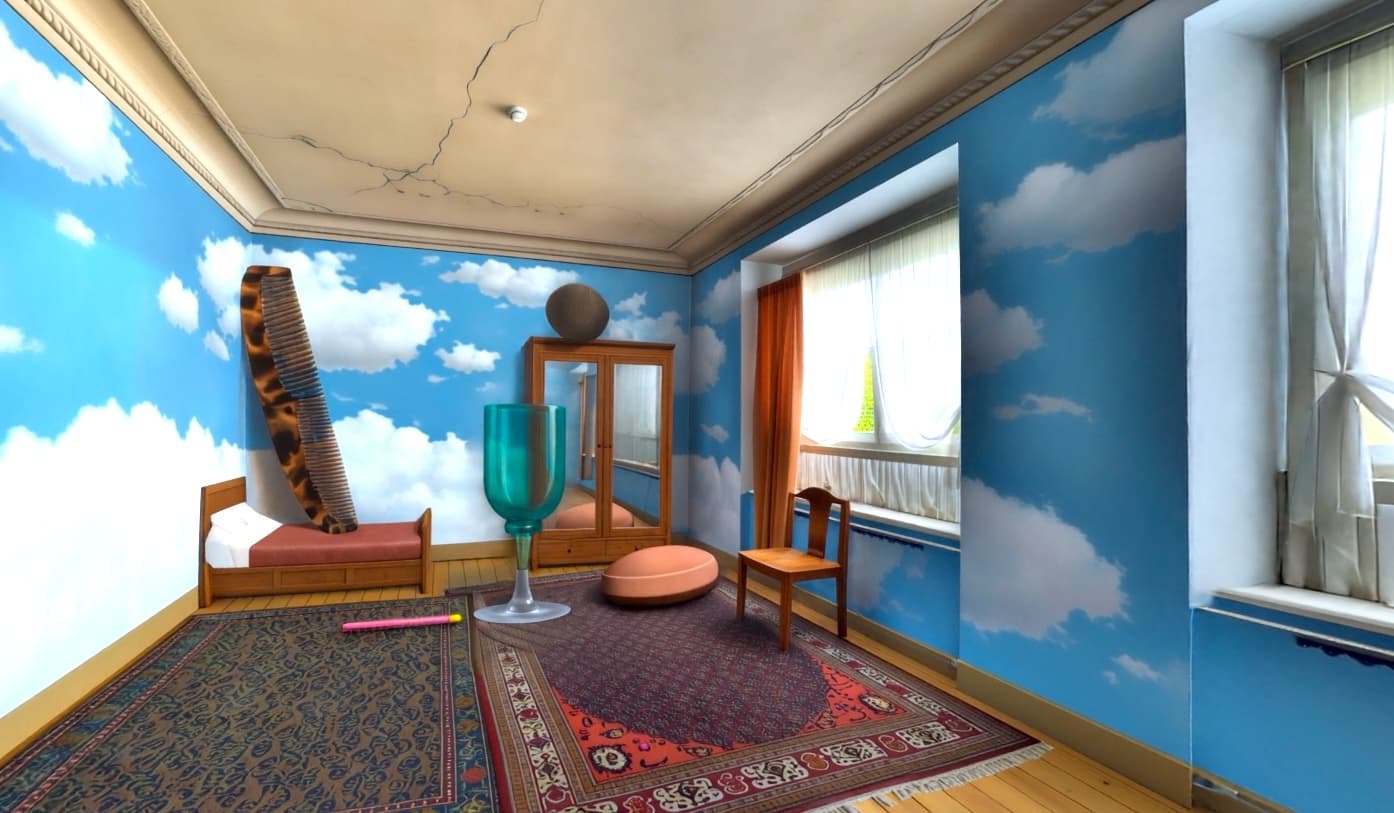
- Composer mode: stitch multiple worlds together (e.g., a “cheese room” plus a futuristic conference room) to build larger spaces.
- File formats: exports in Gaussian splats (photoreal volumetric point rendering), meshes (for broader engine compatibility), and videos.
- Device support: view outputs in VR today (Vision Pro, Quest 3), with standard import paths to Unity and Unreal.
Pricing tiers matter operationally. Standard ($20) unlocks multi‑image/video input and advanced editing; Pro ($35) adds scene expansion and commercial rights; Max ($95) increases capacity to 75 generations and includes all features. No public SLA, latency, or API details were disclosed; ask for these before prioritizing in production pipelines.
What This Changes for Teams
For game studios, Marble can quickly generate background or ambient spaces that designers bring into Unity/Unreal for gameplay logic, physics, and optimization. This is not a full pipeline replacement; think “fast environment drafts” that artists refine with lighting, collision, occlusion culling, and navmesh generation. For VFX, Marble addresses the instability of AI video by letting you author 3D assets once and drive exact camera moves-critical for continuity and editorial control. For VR, it offers a content firehose, though real‑time performance will hinge on format choice and optimization. Robotics teams can use Marble to create synthetic training environments when real‑world datasets are sparse.
Caveats, Risks, and the Fine Print
- Quality variance: users report improved edge stability since beta, but some prompts regress. Coverage matters-multi‑view inputs yield better “digital twins” than single images.
- Editor maturity: Chisel is labeled experimental. Expect quirks in structural fidelity, object manipulation, and re‑generation consistency.
- Format trade‑offs: Gaussian splats deliver strong visual realism but have limited native support in game engines and can be heavy for VR frame budgets. Mesh exports are easier to integrate, but topology, UVs, and material cleanliness will determine how “game‑ready” assets really are.
- Scene scope: only one expansion pass per world. Large worlds require planning or composer mode to stitch multiple scenes.
- Governance: commercial rights begin at Pro, but verify IP indemnity, training data provenance, and restrictions on sensitive inputs. The GDC developer survey flagged concerns on IP theft, energy use, and quality; build internal review gates accordingly.
- Operational unknowns: no published render times, resolution ceilings, or SLAs. Clarify API access, batch throughput, and enterprise support before scaling.
Industry Context and Competitive Angle
World models are trending, but most remain research demos or 2D/interactive video experiences (e.g., Google’s Genie). Marble’s differentiation is practical: exportable 3D plus an editor and control primitives. Startups like Decart and Odyssey show promise with free demos, but they don’t yet match Marble’s production posture. Traditional 3D generators (e.g., single‑asset tools that output meshes) don’t produce full, coherent worlds. With $230M in funding and a rapid move from preview to paid tiers, World Labs is pushing for early mindshare in content‑hungry segments (VFX, VR) where AI video hits control limits.

Recommendations
- Pilot with clear acceptance criteria: target polygon counts, texture resolution, collision quality, navmesh viability, and VR frame rates. Compare splat vs mesh exports for your runtime.
- Use multi‑view inputs: capture short clips or multiple angles to improve structural fidelity. Reserve single‑image prompts for concepting, not production.
- Integrate with guardrails: require human review for IP lookalikes and style compliance. Confirm commercial terms (Pro/Max), output licensing, and indemnities in writing.
- Ask for the roadmap: multi‑pass expansion, API availability, batch generation, on‑prem/VDI options, and enterprise SLAs. Tie renewal to delivery of these capabilities.
- Scope by use case: start with background environments and previz; graduate to hero spaces only after topology, UVs, and lighting workflows meet your bar.
- For robotics: validate sim‑to‑real transfer with small tasks before scaling; measure whether Marble‑generated variety improves policy robustness versus existing simulators.
Bottom line: Marble meaningfully narrows the gap between AI‑generated worlds and production workflows by making scenes persistent and editable. Early adopters can gain speed in environment creation—if they accept format constraints, run thorough QA, and lock down rights and SLAs.
Leave a Reply