iOS 26.2: Small UI tweaks, outsized operational impact
Apple’s iOS 26.2 beta introduces user-facing updates that will nudge design, content, and regional rollout plans: a new Liquid Glass opacity slider for the Lock Screen clock, an “Urgent” alarm mode in Reminders, EU availability of AirPods live translation, Apple News’ new Following tab, AI-generated podcast chapters and mentions, offline lyrics, and an accessibility notification flash. None of these are headline grabbers alone, but together they shift how users personalize, discover, and act-and they arrive ahead of a likely December public release.
Key takeaways for operators
- Personalization meets readability: the Liquid Glass slider changes Lock Screen contrast and legibility; expect design QA needs on older devices.
- Task urgency becomes explicit: Reminders’ “Urgent” alarms add a higher-friction notification that will alter user behavior and notification load.
- Content discovery moves in-app: AI chaptering and mentions in Podcasts, plus Apple News’ Following tab, shift attention toward Apple-owned navigation surfaces.
- Regional features expand: AirPods live translation adds EU coverage, raising localization, latency, and privacy considerations.
- Timeline: With public release likely in December, teams have a short window to test UI contrast, notification policies, and content metadata.
Breaking down what changed
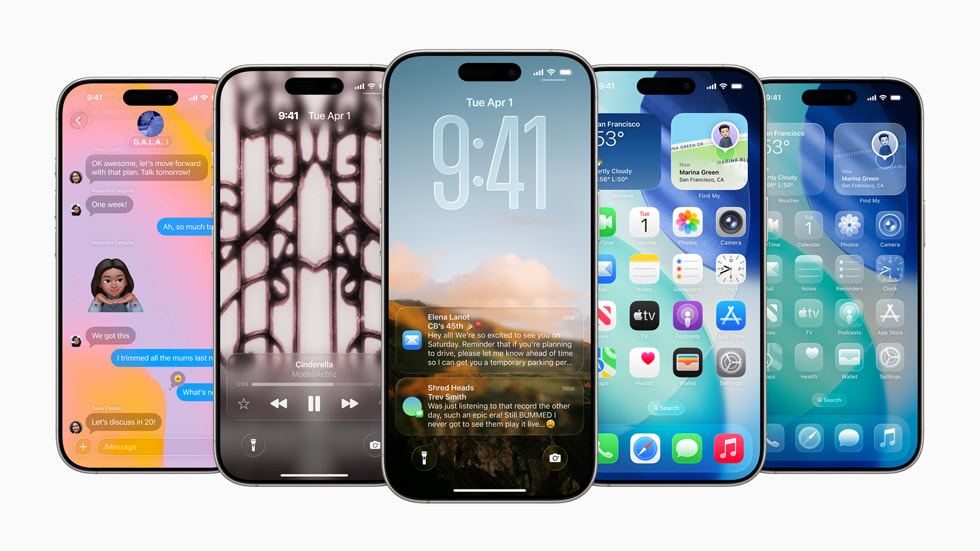
Liquid Glass slider on the Lock Screen lets users adjust translucency and blur behind the clock. It improves control over depth and contrast, but increases GPU work when rendering layered transparency. On recent devices, this should be negligible; on older hardware, expect minor battery and frame pacing sensitivity. Product teams should re-check lock screen widget contrast and brand colors against multiple slider positions to avoid readability regressions.
Reminders gains an “Urgent” alarm option and a distinct visual treatment. This moves Reminders closer to a lightweight task-plus-alarm system, reducing reliance on the Clock app. For products that integrate with Reminders (via Shortcuts or deep links), model the new state to avoid duplicate alerts and ensure urgency maps correctly to your own priority schema.
Podcasts adds AI-generated chapters, transcript mentions, and link access directly in the player. This is a meaningful shift for content navigation and cross-promotion: chapters create more entry points into an episode, and mentions surface adjacent shows without leaving the app. Expect session fragmentation (more mid-episode jumps) but potentially higher completion on targeted segments. Publishers should update show notes, link formatting, and naming conventions so mentions resolve cleanly.
Apple News introduces a Following tab to centralize channels, topics, and authors. This concentrates retention mechanics into a single surface, likely increasing repeat visits for subscribed topics while reducing casual browsing. Publishers should expect modest distribution shifts: more value in sustained followership, less in single-hit placement.
AirPods live translation arrives in the EU, widening real-time multilingual coverage. Operationally, this raises questions on latency (typically sub‑second for on-device pipelines, longer if network-assisted), consent in public spaces, and language pack availability. Support teams should prep region-aware documentation and test a few priority language pairs that map to your customer base in the EU.
Music gains offline lyrics, reducing reliance on connectivity and making lyrics available in low-signal environments. For rights holders, this implies cached on-device text; double-check any contractual constraints around offline displays and regional licensing terms.
Accessibility adds a notification flash option (screen/LED-style alert) to improve missed-notification capture. CarPlay now allows disabling pinned messages to reduce distraction. The Games app gains sort-by size/name/recent, and Freeform adds tables for structured collaboration. Emergency alerts expand with region-specific targeting across Wi‑Fi/Bluetooth/cellular.
Industry context and competitive angle
AI chaptering and transcript-first listening have become table stakes: YouTube and Spotify already auto-generate chapters and transcripts, improving skimmability and ad inventory placement. Apple’s move aligns Podcasts with those behaviors, but Apple’s distribution is tightly integrated with the OS, which may yield higher adoption among default-app users without requiring app switching. On translation, Google’s Pixel Buds and Android phones have long offered live translation; Apple expanding EU coverage keeps parity while leveraging AirPods’ installed base.
Liquid Glass customization continues Apple’s emphasis on personalization that doesn’t fracture the design language. For enterprises, that means your lock screen surfaces (widgets, critical alerts) must be robust across a wider range of user-controlled visual states than in prior releases.
Risks and governance considerations
Privacy and consent: AI chapters and transcript mentions imply speech-to-text processing of podcast audio. If you publish content, confirm your rights cover machine-generated derivatives and clarify data retention policies. For translation features, ensure staff understand when audio may be processed on-device vs. cloud and how to handle conversations that include personal data.
Notification hygiene: “Urgent” alarms are powerful but can drive fatigue if overused. If your app triggers Reminders via Shortcuts, set clear thresholds for urgency and avoid duplicative alerts with your in-app notifications.
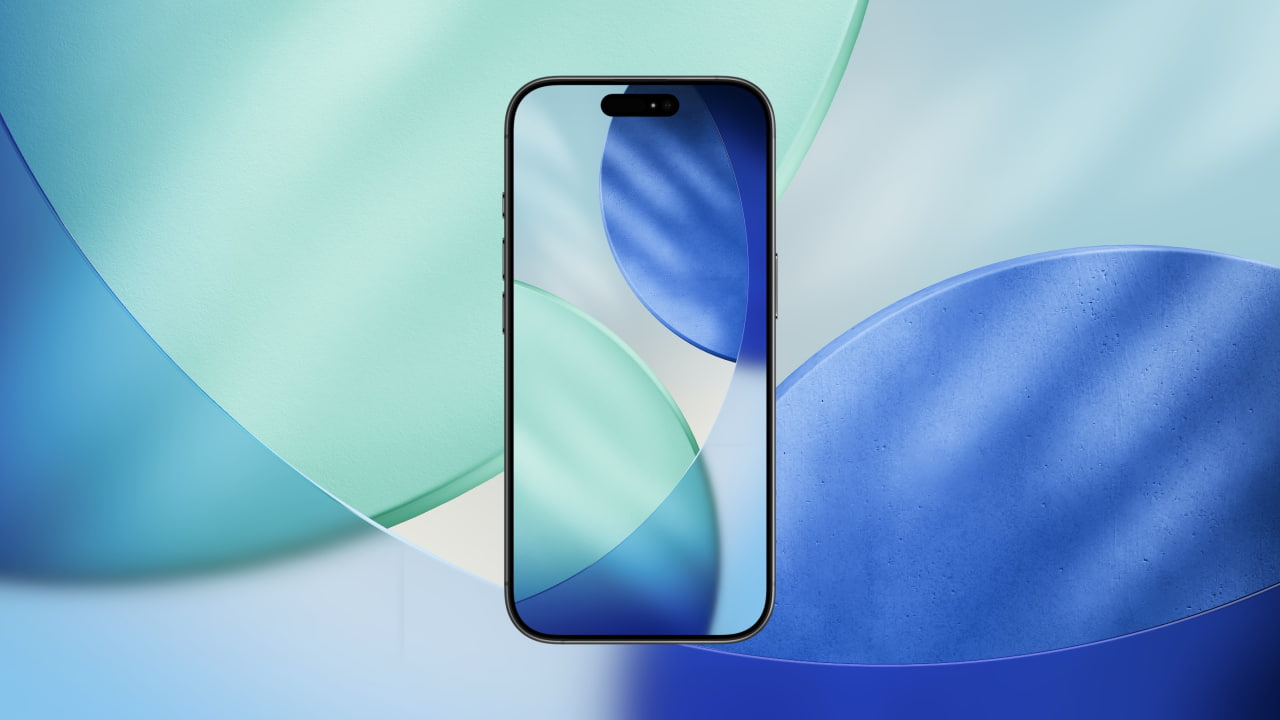
Accessibility and readability: The Liquid Glass slider can reduce contrast for backgrounds behind the clock and widgets. Validate WCAG contrast for primary text and critical states across the slider spectrum.
What this changes for product teams
Content operations should assume chapter-level consumption becomes the norm. Plan episode outlines with segment titles that stand alone, include clear link targets for mentions, and align ad placements to segments rather than only start/mid-rolls. For News, shift analytics to track follow-driven return visits and adjust content cadence for followed audiences.
Support and regional leads should treat EU live translation as a service surface: update help content, language coverage maps, and escalation playbooks for mis-translation issues. CX teams can pilot translation in retail or field settings to quantify latency, accuracy, and user satisfaction.
Recommendations
- Run a two-week QA pass on Lock Screen widgets: test contrast across Liquid Glass settings, Light/Dark modes, and older devices; file visual regressions before GA.
- For podcasts, A/B test chapter titles and link placement; measure changes in skip rate, segment completion, and downstream conversions from mentions.
- Define a Reminders “Urgent” policy for your automations: reserve urgency for time-critical actions; suppress duplicates if an in-app high-priority notification already exists.
- Prepare for EU translation: validate key language pairs in real-world conditions; add consent guidance for staff and customers where applicable.
- Audit rights: confirm that your licenses permit offline lyrics display and machine-generated transcripts/chapters across all regions you serve.
Leave a Reply