What Changed-and Why It Matters
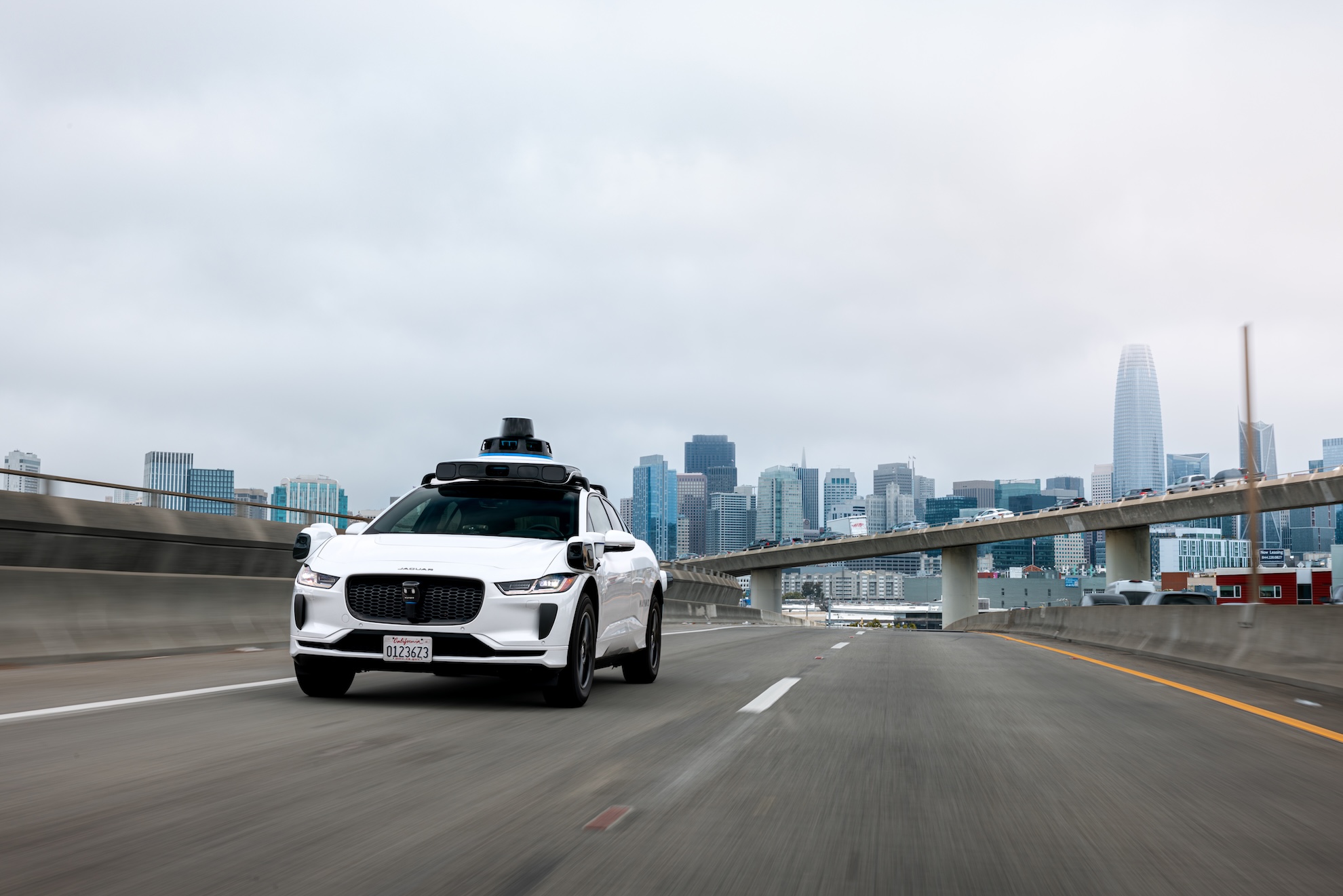
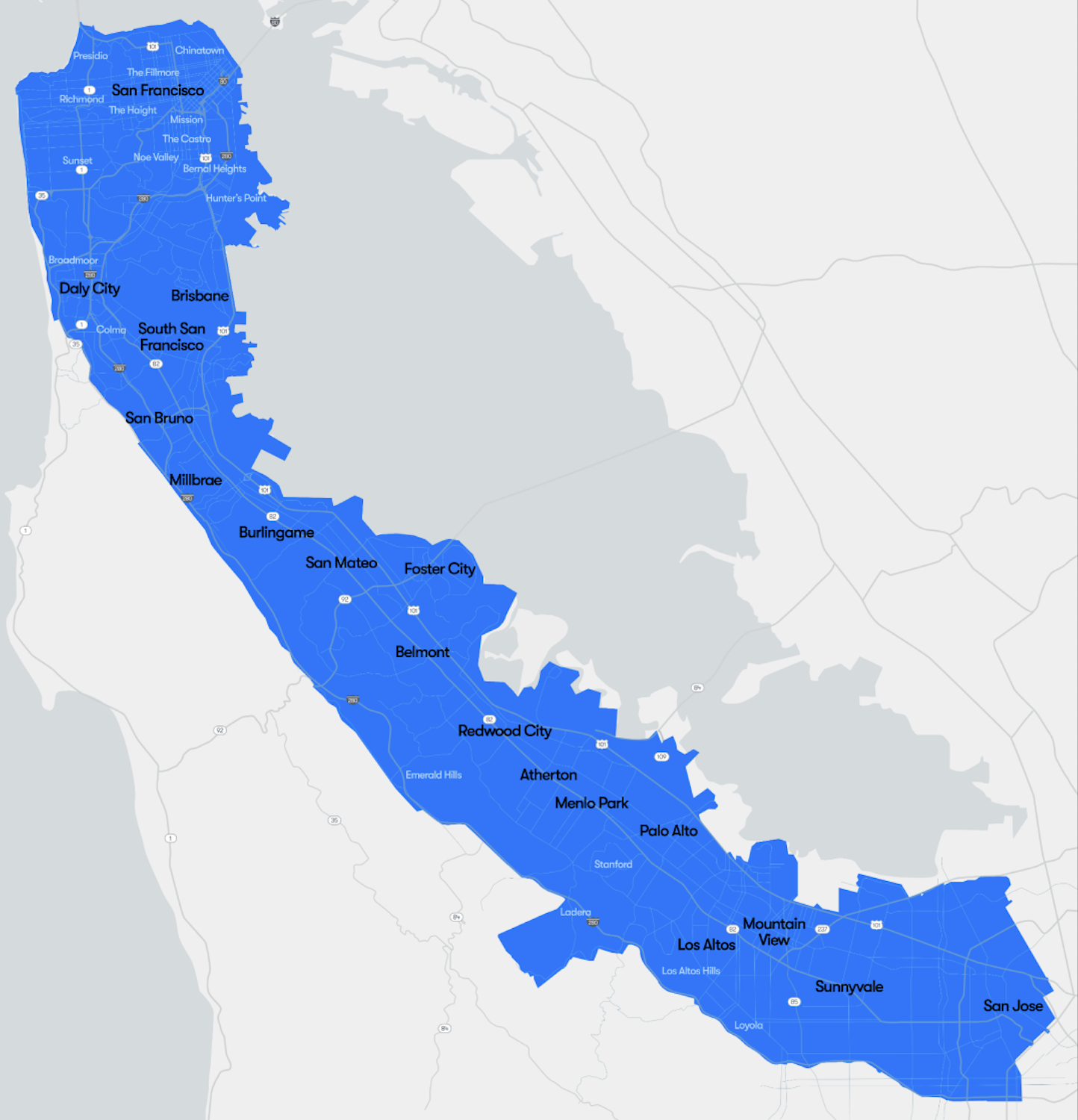
Waymo will start offering robotaxi rides that use freeways across San Francisco, Los Angeles, and Phoenix. For eligible riders who opt in, the company says some trips will be up to 50% faster. The expansion also stretches routes to San Jose-creating what Waymo calls a unified 260-mile service area across the Peninsula-and enables curbside pickups at San Jose Mineta International Airport (SJC), building on existing curbside service at Phoenix Sky Harbor. San Francisco International (SFO) remains in testing.
For operators and buyers, freeway access is the first real test of whether driverless rides can compete on time and convenience for airport runs and suburb-to-suburb trips. Faster segments should improve vehicle throughput and unit economics, but they also introduce higher-speed risk profiles that require tighter coordination with agencies like the California Highway Patrol (CHP) and airport authorities.
Key Takeaways
- Impact: Freeway routing can cut trip times by up to 50%, making robotaxis viable for airport and cross-metro journeys—not just downtown hops.
- Rollout: It’s opt-in via the Waymo app; not all rides will be matched to freeway routes initially. Expect a staged ramp to manage risk and demand.
- Coverage: Bay Area service now extends to San Jose with a unified 260-mile service area, plus new curbside operations at SJC; SFO is still in testing.
- Safety: Waymo emphasizes simulation, closed-course validation, and updated protocols with CHP to handle rare, high-speed events and freeway-to-street transitions.
- Economics: Faster segments can increase trips per vehicle/day and improve utilization; pricing, ODD limits, and incident handling will determine real ROI.
Breaking Down the Announcement
Freeways have been a long-standing gap in commercial robotaxi service despite early Google-era tests. The new capability covers San Francisco, Los Angeles, and Phoenix and is opt-in: riders can indicate a preference in the app and may be matched to a freeway trip. Waymo is also turning on curbside drop-off and pickup at SJC, adding to Phoenix Sky Harbor’s curbside support. Los Angeles airport curbside wasn’t announced; SFO remains in active testing, and freeway support is a prerequisite for timely airport access.
The Bay Area extension to San Jose is strategically important. It ties dense city cores to suburban job centers and enables corporate commute and airport use cases where shaving 15-30 minutes materially changes adoption. In practice, expect initial routing to favor clear freeway segments and well-instrumented merge/exit corridors before broadening.
Technical Perspective: Why Freeways Are Hard
Highways present fewer interactions per mile than city streets, but the events that matter—high-speed merges, debris, sudden slowdowns, emergency responders—are rarer and riskier. Waymo’s principal software engineer noted that low-frequency, high-severity scenarios don’t appear often enough in public road miles to build sufficient evidence, hence heavy use of closed-course testing and scaled simulation to exercise edge cases. Co-CEO Dmitri Dolgov underscored the difficulty: “Freeway driving is… very easy to learn, but very hard to master when we’re talking about full autonomy without a human driver as a backup, and at scale.”
Two technical pivots matter operationally: smooth transitions between surface streets and freeways (on-ramps, lane selection, speed adaptation) and integrated protocols with agencies like CHP for collision scenes, lane closures, and enforcement stops. Expect geofenced constraints around work zones and a continued reliance on remote assistance for complex, rare scenarios; the vehicle remains in control, but guidance can reduce dwell times and unexpected stops.
Industry Context and Competitive Angle
This move differentiates Waymo at a moment when competitors are uneven. Cruise remains in a gradual restart after last year’s suspension, with limited public driverless operations. Zoox is still operating in narrow, non-freeway domains. Tesla’s “FSD” is driver-assist that requires human supervision and isn’t a commercial robotaxi. For medium-length trips—airports, crosstown commutes—Waymo now competes directly with Uber and Lyft on time and predictability rather than novelty.
Why now? The economics demand it. Freeway-capable routes raise average trip value and can lift daily utilization per vehicle. Airports, in particular, concentrate demand and simplify routing. The opt-in model also lets Waymo calibrate exposure and build a safety case with regulators and the public before scaling to default freeway usage.
Risks and Operational Caveats
Freeway incidents carry higher severity. Key unknowns include: how often the system will avoid freeways due to weather or construction; how reliably it handles debris, disabled vehicles, or erratic drivers; and the rate of remote assistance interventions. Airport curbside logistics add another layer—curb availability, law enforcement interactions, and passenger wayfinding must be tightly managed to avoid congestion and citations.
Governance remains central. California DMV and CPUC oversight continues, and protocols with CHP will be tested in real-world events. One high-visibility mishap can prompt rapid regulatory constraints; buyers should treat the next 6-12 months as a data-gathering phase, not a blanket green light.
Operator’s Playbook: What to Do Next
- Airports and municipalities: Designate AV-friendly curb zones with clear signage and escalation workflows. Run tabletop drills with CHP and airport ops for lane closures, collisions, and vehicle recoveries.
- Employers and mobility leads in SF, LA, Phoenix: Pilot freeway-enabled Waymo rides for airport transfers and commuter corridors. Track on-time performance, dwell time at pickup, rider satisfaction, and cancellation reasons across peak vs. off-peak.
- Risk and compliance teams: Request vendor disclosures on operational design domain (weather, construction, hours), remote assistance rates, incident response SLAs, and recent software safety updates. Bake these into procurement and insurance reviews.
- Product owners (travel, TNC partners, hotels): Build hybrid routing (AV + human fallback) and pre-authorize alternative routes if the AV avoids the freeway. Don’t market “guaranteed freeway rides” until matching rates stabilize.
Bottom line: Freeway capability moves robotaxis from novelty to practical utility in three major metros. If Waymo sustains safety performance while delivering time savings and reliable curb operations, expect broader airport coverage and default freeway routing. Until then, proceed with structured pilots, clear KPIs, and contingency plans.
Leave a Reply