What Changed-and Why It Matters Now
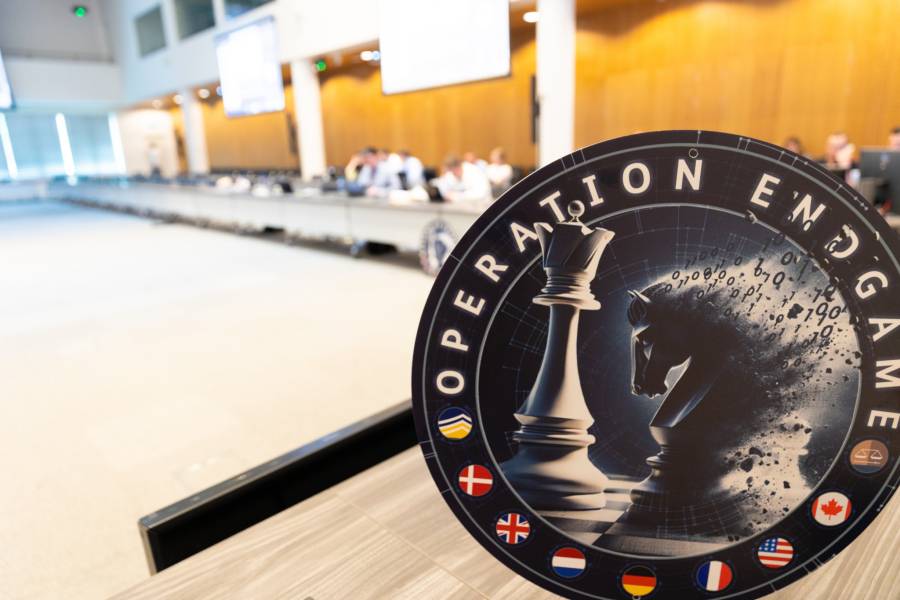
Europol’s Operation Endgame dismantled three major cybercrime infrastructures-Rhadamanthys (infostealer), Elysium (botnet), and VenomRAT (remote access trojan)-seizing more than 1,000 servers and arresting a key suspect in Greece. Authorities say hundreds of thousands of devices were infected and millions of credentials and crypto wallets were harvested. For operators, the immediate impact is a temporary disruption to command-and-control and distribution networks—and a short window to clean up endpoints, revoke tokens, and blunt account-takeover risk before adversaries rebuild.
Key Takeaways
- Short-term relief, not victory: infrastructure is down, but malware operators will rebrand and reconstitute within weeks.
- Action window: treat this as a forced incident response drill—reset passwords, revoke sessions, rotate API keys, and reimage infected machines.
- High blast radius: stealer logs include browser cookies, session tokens, crypto wallets, and autofill data—MFA isn’t a full shield if tokens are valid.
- Compliance exposure: if enterprise credentials or customer data appear in seized logs, breach notification laws (GDPR, state regs) may apply.
- Expect copycats and churn: takedowns often shift trade to new commodity stealers and RATs; monitoring must adapt quickly.
Breaking Down the Announcement
Rhadamanthys is an infostealer-as-a-service, optimized to extract browser-stored credentials, cookies, session tokens, crypto wallet files, and autofill data. Logs are resold across underground markets and used for rapid account takeover. Elysium operated as a botnet and proxy layer that masked attacker traffic for credential stuffing, fraud, and distribution of payloads. VenomRAT, a commodity remote access trojan, enabled hands-on-keyboard control, keylogging, clipboard “clipper” swaps for crypto addresses, and persistence for follow-on ransomware or fraud.
Seizing over 1,000 servers suggests authorities hit not just C2 nodes but also bulletproof hosting, proxies, and distribution mirrors. The arrest in Greece indicates investigators linked online personas to real-world operators—a pattern we’ve seen in recent international actions. Crucially, law enforcement now likely holds datasets from sinkholed domains and seized servers, allowing ISP notifications and potential victim outreach.
Industry Context: Whack-a-Mole, With Real Consequences
Past disruptions—QakBot (2023), Emotet (recurring), and multiple ransomware crew hits—show two truths: takedowns reduce attack volume for weeks to months, and criminals pivot fast via new brands, fresh infrastructure, and commodity kits. The difference today is scale and coordination: cross-border operations target infrastructure and operators simultaneously, increasing friction and cost for adversaries. Still, buyers should plan for churn rather than disappearance; commodity RATs and stealers are low-cost and replaceable.
What This Changes for Operators
There is a near-term opening to remediate before adversaries restore their C2 networks. Expect a dip in successful logins from known bad ASNs and residential proxies tied to Elysium, and a temporary increase in underground chatter as sellers look for new outlets for Rhadamanthys logs. This is also when stolen session tokens, refresh tokens, and cookies can be exploited before they expire. If your organization relies on long-lived sessions for SaaS or cloud consoles, prioritize forced reauthentication.

For teams operating AI and data platforms, assume API keys and model repository tokens (e.g., cloud ML endpoints, GitHub, artifact registries) may be in stealer logs. That creates two risks: unauthorized usage spikes (unexpected cloud bills) and code/model exfiltration. Rotate secrets, tighten egress rules to known destinations, and enforce short-lived credentials with automated rotation.
Governance, Legal, and Customer Trust
If any corporate accounts, customer credentials, or crypto wallets are implicated, perform a documented risk assessment. Under GDPR and sectoral laws, the presence of identifiable data in criminal caches can trigger notification obligations—even if the initial compromise was via employee personal browsing. Boards should ask for: number of endpoints likely affected, scope of credential exposure, time to full token revocation, and customer account takeover protections in place.
Recommendations: 72-Hour Plan and Beyond
- Within 24-72 hours
- Mass invalidate SSO sessions; shorten token lifetimes; require reauth for admins and finance users.
- Rotate credentials and API keys for cloud, CI/CD, code repos, AI endpoints, and payment providers.
- Query EDR/DFIR for infostealer and VenomRAT artifacts; reimage any endpoint with confirmed stealer activity.
- Enable strict challenge for risky logins; enforce phishing-resistant MFA (FIDO2/WebAuthn) for all admins.
- Within 2 weeks
- Block known C2/residential proxy ASNs tied to the disrupted botnet; deploy DNS blocking for stealer/loader domains.
- Harden browsers: disable enterprise password storage; control extensions; isolate high-risk browsing via remote browser isolation.
- Implement session token binding and periodic forced logout for privileged apps.
- Quarterly hygiene
- Adopt least-privilege, short-lived credentials via workload identity and automated key rotation.
- Measure ATO resilience: credential-stuffing tests, session replay simulations, and cookie theft drills.
- For crypto-exposed teams, migrate funds to new wallets with fresh seed handling; monitor for drainer indicators.
- Threat intelligence integration
- Subscribe to law enforcement victim notification feeds and stealer-log brokers (via vetted providers) to detect exposed accounts.
- Automate credential reset workflows when your domains appear in stealer datasets.
Looking Ahead
Expect new branding and infrastructure to replace what Endgame just removed. The advantage is temporary but material: it’s a chance to invalidate stolen access, reduce session lifetimes, and shift to phishing-resistant authentication and short-lived secrets. Organizations that move quickly will reduce downstream fraud and containment costs; those that wait will be dealing with recycled logs and fresh deployments under new names.
Leave a Reply