What Changed-and Why It Matters
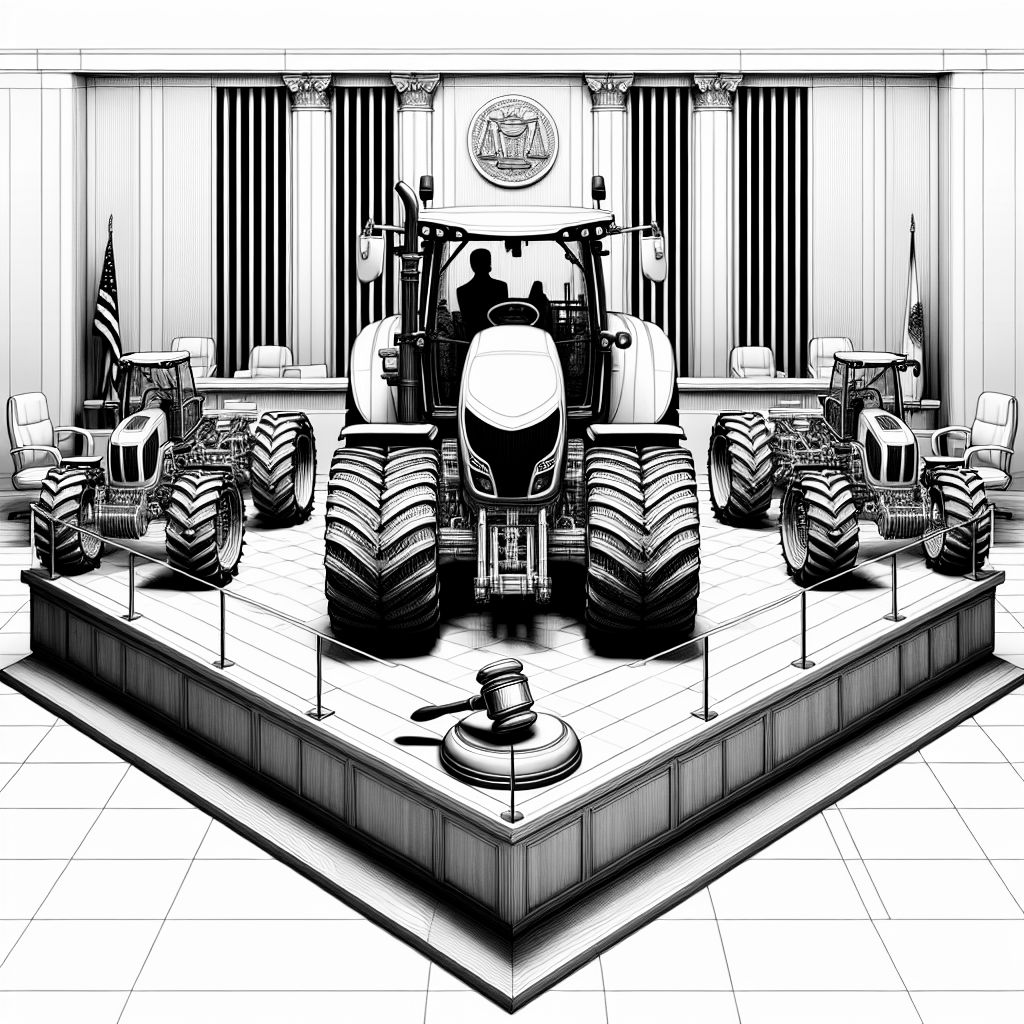
An Idaho dealer, Burks Tractor, has sued Monarch Tractor alleging breach of contract and warranty after ten electric “driver‑optional” tractors failed to operate autonomously as represented. The dealer paid $773,088, says the units remain defective despite demos and support attempts, and seeks rescission or equivalent remedies. Monarch denies the allegations; the case, filed in Idaho and now in federal court, is ongoing.
This matters because autonomy is the primary value driver for electric ag platforms at Monarch’s price point. If a leading startup’s flagship promise is disputed in court, dealers and growers will recalibrate adoption timelines, tighten contracts, and question vendor stability-especially as Monarch pivots from hardware to software and as its former Ohio assembly site is repurposed for an AI data center.
Key Takeaways
- Allegations target the core claim: fully autonomous, “not limited by location or time.” Monarch disputes this.
- Deal value is material: roughly $77,300 per unit, with financing costs compounding while tractors sit.
- Indoor autonomy appears central; GPS-denied environments are a known technical boundary for farm robots.
- Lawsuit lands as Monarch reduces hardware exposure and leans into software/licensing-raising customer confidence questions.
- Expect stricter acceptance criteria, staged deployments, and more conservative definitions of “autonomous” across the sector.
Breaking Down the Allegations
Burks Tractor says it agreed to be an early dealer in early 2024. During negotiations, Monarch allegedly “expressly represented” the tractors would be fully autonomous and not limited by time or location, supported by demo videos. Five units arrived in April 2024 and five more in June 2025. According to the complaint, the tractors could not operate autonomously on delivery; Monarch’s sales team tried to assist, later admitting autonomy was limited and did not work indoors. The dealer claims months passed without adequate follow-up, the tractors still don’t run autonomously, and Monarch refused to take them back. Monarch has denied the allegations in court filings.
Legally, the case hinges on whether Monarch made enforceable express warranties about autonomy and whether performance met those promises. Under UCC principles, companies can’t disclaim express warranties once made; if the facts support Burks’ claims, rescission (unwinding the deal) becomes plausible. If the facts favor Monarch, the dispute could narrow to software readiness, deployment conditions, or support obligations.

Why This Lands Now
Ag autonomy is transitioning from pilot to production, but most credible deployments are constrained: specific implements, row-following outdoors, trained operators supervising multiple machines, and clear environmental limits (e.g., RTK-GNSS coverage). Monarch has faced multiple workforce reductions, and the Ohio facility previously used by Foxconn for tractor assembly is being converted to an AI data center—context that may pressure a pivot toward software and licensing. That pivot only works if customers believe the autonomy stack is production-grade today.
Technical Reality Check
“Driver‑optional” in orchards and vineyards typically leverages RTK-corrected GNSS for centimeter-level positioning, vision for row detection, and safety-rated obstacle detection. Indoors (barns, sheds, processing facilities), GPS doesn’t work; autonomy there requires robust LiDAR/vision-based mapping and localization, safety certifications (e.g., ISO 25119 functional safety, ISO 18497 for guidance systems), and careful hazard analysis. Most vendors avoid blanket claims and specify supported tasks, terrains, lighting, and supervision models.

If Monarch or its sales reps suggested operation was “not limited by location or time,” that exceeds industry norms. Competitors like Deere (post-Bear Flag acquisition) limit autonomy features to defined operations and conditions, with remote supervision and geofenced fields. CNH (via Raven) and retrofit players like Bluewhite and Sabanto also scope autonomy tightly. The industry message is clear: autonomy works well in constrained use cases; universal, indoor/outdoor autonomy is still R&D territory.
Operator’s Perspective: Cost and Risk
At roughly $77k per unit, dealers typically finance inventory. As an illustration, at 9% annual interest, monthly carrying cost on $773,088 is about $5,800; delays add up quickly. Add technician time, spares, training, and potential reputational damage if early customers see failed deployments. For growers, the ROI case depends on autonomy displacing labor across predictable hours. If autonomy is unavailable or restricted to narrow conditions, electric-only benefits (fuel and maintenance savings) may not justify the premium hardware and support stack.
What This Changes
Short term, expect buyers to demand tighter definitions of “autonomous,” indoor vs outdoor capability disclosures, and proof via site-specific acceptance tests. Dealers will push for holdbacks tied to feature completion and for stronger remedies if promised capabilities slip. For Monarch, the litigation and hardware retrenchment amplify scrutiny: software-first is viable only if deployed performance is reliable, support is responsive, and marketing is conservative.
Recommendations
- Define autonomy precisely. Enumerate supported tasks, terrains, lighting, and supervision; separate indoor from outdoor capabilities and document prerequisites (RTK base stations, connectivity).
- Contract for outcomes. Include acceptance criteria with on-farm tests, staged payments/escrow tied to milestones, and explicit rescission or swap rights for nonperformance.
- Instrument everything. Require telemetry logs, safety event reporting, and uptime SLAs; mandate vendor on-site support windows and escalation paths.
- Pilot before scale. Start with 1-2 units for a full season; verify reliability across weather, dust, and canopy conditions before committing fleet budgets.
- Manage financing risk. Cap floorplan exposure; model carrying costs and add step-in rights if software features slip. Consider performance bonds for autonomy deliverables.
- Vendors: align claims with reality. Train sales on limits, publish safety certifications, and provide a supported indoor roadmap only when validated.
The suit is an allegation, not a verdict. But the signal to the market is unmistakable: autonomy claims must be narrow, testable, and supported—or buyers will protect themselves in court and in contracts.
Leave a Reply