What Changed and Why It Matters
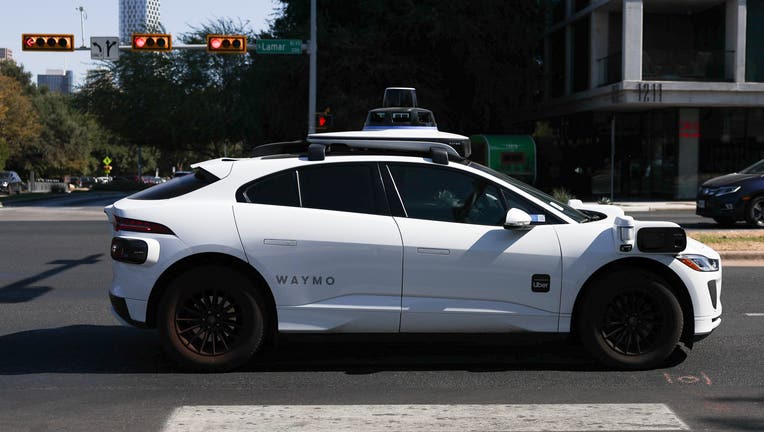
Waymo will begin manually driving vehicles in Minneapolis, New Orleans, and Tampa to map, collect data, and validate its driverless stack ahead of future robotaxi launches. There are no driverless rides at the start; this is a safety‑driver, data‑gathering phase. The expansion adds winter conditions and dense, pedestrian‑heavy streets to Waymo’s operating design domain (ODD)-a deliberate push to prove year‑round reliability and widen its U.S. footprint.
Key Takeaways
- No immediate robotaxi service-expect months of mapping, safety‑driver testing, and staged geofenced pilots before any paid driverless rides.
- Strategic focus: winterization (Minneapolis), narrow historic corridors and event surges (New Orleans), and heat/thunderstorms (Tampa) to stress‑test perception and planning.
- Regulatory scrutiny remains high after industry incidents; demonstrating consistent safety in adverse conditions will determine timeline and service scope.
- Competitive angle: Waymo extends its lead versus Zoox (limited to non‑commercial trials) and Tesla (Level 2, driver‑supervised). Scale and safety validation-not announcements—decide leadership.
- Operators should prepare for integrations (curb space, event data feeds, rider communications) well before driverless launch to capture early demand.
Breaking Down the Announcement
Waymo’s playbook typically starts with manual mapping runs, then supervised autonomy with safety drivers, followed by limited driverless pilots and, where regulators permit, paid service. Minneapolis brings sustained low‑traction months and sensor occlusion from snow—valuable but hard to simulate at scale. New Orleans forces the system to handle narrow, pedestrian‑heavy streets, frequent road closures, and event traffic (think parades and festivals). Tampa adds heat, humidity, sudden downpours, and lightning‑driven disruptions, stressing hardware reliability and dynamic rerouting.
Operationally, expect geofenced areas, time‑of‑day constraints, and weather‑based service reductions. Waymo will look to ingest city feeds (road closures, flood alerts), update high‑definition maps quickly after storms or construction, and validate stack performance on edge cases like temporary cones, blocked lanes, and emergency vehicles. The near‑term goal is evidence: repeatable safety under difficult conditions.
Industry Context and Competitive Angle
Waymo already offers paid driverless rides in Phoenix and San Francisco and is scaling access in Los Angeles. Rival Cruise remains constrained after regulatory setbacks, and Motional has scaled back while it restructures. Zoox continues geofenced testing with its purpose‑built vehicle but has not launched broad public, paid service. Tesla’s FSD remains Level 2 driver‑assist—useful for data and software moat, but not a robotaxi. In this environment, the fastest path to leadership is operational miles in complex conditions with strong safety metrics.
Why now? With competitors slowed and regulators demanding stronger evidence, winter and event‑heavy cities provide high‑value validation. If Waymo shows robust performance in snow, floods, and unpredictable pedestrian behavior, it not only expands serviceable markets but strengthens its position in permit applications elsewhere.
What This Changes for Operators and Partners
Airports, venues, hospitals, hotels, and campus operators in these metros should anticipate an early integration window. Practical steps include designating pickup/drop‑off zones with clear signage, integrating real‑time event and closure feeds, and preparing rider messaging about availability limits during heavy weather. If you rely on Uber in Phoenix, note Waymo’s integration there; similar app‑level integrations may follow as service expands, enabling a mixed human/AV fleet without bespoke dispatch work.
Set expectations on timing. In prior markets, the path from first mapping drives to broad paid service has taken at least a year, often longer, depending on safety evidence and local approvals. Enterprises planning rider experiences should define KPIs across three phases: supervised testing (no public rides), early driverless pilots (invite‑only or limited areas), and scaled service (wider geofence, more hours). Track ETA reliability, cancellation rates tied to weather, and mean time between disengagement‑like interventions (including remote assistance for routing, not remote driving).
Risks and Governance Considerations
Regulatory oversight is intensifying. Federal investigators have reviewed AV incidents industry‑wide, including Waymo; while operations continue, scrutiny on crash reporting, software change control, and fleet monitoring is rising. Local governments will demand clear incident response protocols, data minimization, and community engagement. There’s also operational risk: snow‑covered lane markings, flooded intersections, and unplanned closures can force frequent reroutes or pauses, affecting rider trust if not messaged well.
From a compliance lens, insist on audit trails for software versions, disengagement categories, and incident classifications. For infrastructure, build processes to update curb rules quickly during events and severe weather, and ensure your data feeds (closures, construction, parades) are machine‑readable and reliable—these materially affect AV performance.
Recommendations
- City and transit leaders: Stand up a cross‑functional AV working group now. Publish standardized pick‑up/drop‑off rules, machine‑readable event/closure feeds, and flood‑prone zone maps.
- Airports, venues, and hospitals: Pilot AV curb operations with clear wayfinding and geofenced lanes. Instrument KPIs for wait time, cancellations, and weather‑related outages.
- Mobility product teams: Prepare lightweight integrations (dispatch APIs, rider comms) that support mixed human/AV fleets. Build fallback flows for sudden service downgrades.
- Risk and legal: Require incident reporting SLAs, change‑management transparency for software updates, and periodic safety briefings aligned to local regulators.
- Budget owners: Treat 2025 as pilot/expansion planning horizon for these cities. Allocate funds for signage, curb management tech, and customer support training.
Bottom line: this is a measured expansion aimed at hardening the stack, not an immediate robotaxi launch. If Waymo can show consistent safety and uptime through winter, floods, and event surges, it will convert today’s mapping drives into tomorrow’s citywide service—and set the bar competitors must meet.
Leave a Reply