What Changed-and Why It Matters Now
A new four-alarm fire has broken out at Novelis’s Oswego, NY aluminum plant, a critical supplier of body sheet for Ford’s F‑150 lineup, including the all‑electric Lightning. This follows the September blaze that halted hot‑mill operations, forced Ford to cut F‑150 output and pause Lightning production, and created a $1.5-$2.0B EBIT headwind and a $2-$3B free cash flow hit. The latest incident resets the recovery clock and raises the odds of extended production cuts, price volatility, and fresh supply‑chain delays across U.S. automakers.
For operators, the signal is clear: a single‑site dependency on automotive‑grade aluminum remains a material operational risk. Ford is the most exposed given its aluminum‑bodied F‑150 strategy, but Toyota and Stellantis also source from Novelis. Expect tightness in 5xxx/6xxx series automotive sheet, longer lead times, and renewed pressure to requalify alternative mills.
Key Takeaways
- The new fire likely delays Novelis’s restart and extends the U.S. supply shortfall into 2026; watch for impacts to the hot mill, which was targeted to ramp by late Nov/Dec after the September incident.
- Ford’s previously disclosed $1.5-$2.0B EBIT headwind and $2–$3B FCF hit tied to the first fire now face downside risk; guidance ranges may widen or shift into 2026.
- Qualification cycles for automotive body sheet (PPAP and alloy/process approvals) limit fast substitution; “weeks to months,” not days.
- Competitive exposure varies: Ford is most vulnerable; GM, Stellantis, and others are somewhat insulated by more steel-intensive designs, though certain models still rely on Novelis.
- Expect aluminum body‑sheet premiums and spot surcharges to firm; dealers and fleet buyers should plan for constrained trims and extended delivery windows.
What We Know So Far
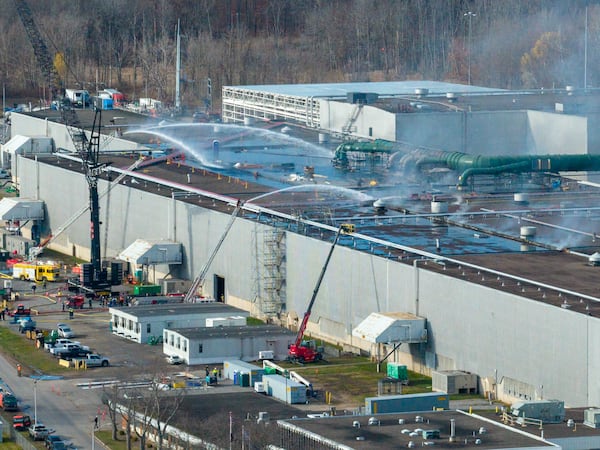
Details are still developing. Authorities responded with a four‑alarm deployment at Novelis Oswego, the same site that suffered a major fire in September that ran roughly 20 hours and damaged the hot mill. After that event, Novelis kept some cold‑rolling operations running and aimed to bring the hot mill back online by late November or early December with a December ramp. If today’s fire touches the hot‑mill area or downstream lines, that timeline is likely to slip, prolonging a supply gap that has already forced Ford to halve F‑150 output and keep the F‑150 Lightning on hold.
Context: Novelis’s Oswego facility supplies a significant share of U.S. automotive aluminum body sheet-often cited around 40%-and Ford is its largest customer. The concentration means even short disruptions ripple quickly into schedules at Ford’s Dearborn and Kansas City truck plants and into Tier 1 stampers.
Operational Impact for Ford and Peers
Ford has been reallocating labor and prioritizing higher‑margin gasoline F‑Series and Super Duty trucks while Lightning remains paused. Management previously outlined plans to add shifts and claw back roughly 50,000 units in 2026 as supply recovered. The second fire puts that catch‑up at risk. Expect Ford to preserve aluminum sheet for the most profitable trims, tighten dealer allocations, and push order banks toward configurations that can be built with available material.
Other automakers will feel knock‑on effects but with less acute exposure. OEMs with steel‑dominant body structures may experience delays on specific closures or panels rather than wholesale program slowdowns. Tier 1s with pre‑qualified second sources (e.g., Constellium, Arconic) will move faster; those without will confront PPAP queues and extended mill lead times.
Why This Hits Now
Restarts are fragile periods: mills are ramping thermal and mechanical systems, retraining operators, and clearing maintenance backlogs. Even without speculating on cause, the takeaway is structural—single‑point exposure to a complex hot‑rolling asset invites outsized disruption risk. Until dual‑sourced, geographically distributed capacity is qualified for critical alloys, the sector remains vulnerable to facility‑level incidents.

Governance, Cost, and Supply Considerations
Insurance may cover property and some business‑interruption losses, but OEMs still incur margin dilution from lost F‑Series volumes and overtime/expedite costs. Contract force majeure clauses will be in play; procurement teams should review terms for allocation, pricing escalators, and requalification timelines. On pricing, expect tighter contract language around volume commitments and premiums for guaranteed capacity in 2026.
AI‑enabled “control towers” can materially improve response: ingesting real‑time EHS incident signals, mill telemetry, inventory positions by alloy/tempering, and supplier WIP to recompute feasible build plans daily. Scenario models should stress‑test extended hot‑mill outages and evaluate the profitability of trim mix shifts versus temporary plant downtime.
What to Watch Next
- Novelis’s damage assessment: specifically, hot‑mill status, restart timeline, and whether cold‑rolling lines remain operational.
- Ford production guidance updates: persistence of F‑150 output cuts and the duration of Lightning’s pause.
- Lead times and premiums for 5xxx/6xxx auto body sheet across alternative mills; PPAP slot availability.
- Dealer allocation changes, fleet order reprioritization, and any temporary content deletions or trim restrictions.
Recommendations
- Map exposure now: quantify SKUs using Oswego‑sourced alloys by plant, tool, and panel; secure 13‑week coverage for critical parts.
- Pre‑qualify alternates: accelerate PPAP with secondary mills (e.g., Constellium, Arconic) and cross‑train stampers for alloy/process differences.
- Optimize the mix: prioritize high‑margin trims and steel‑intensive configurations; freeze low‑volume options that strain scarce sheet supply.
- Stand up AI‑driven risk playbooks: integrate incident alerts, mill capacity signals, and build‑plan optimizers to reallocate material daily and simulate extended outages.
Leave a Reply