Executive summary: what changed and why it matters
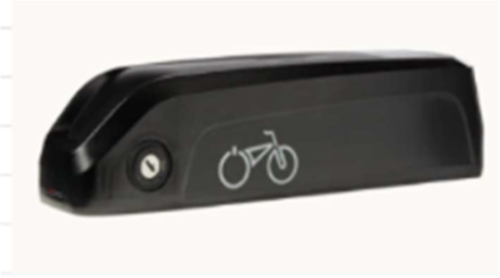
The Consumer Product Safety Commission (CPSC) on November 24, 2025, tied 31 confirmed fires (≈$734,500 in property damage) to Rad Power Bikes lithium‑ion battery models RP‑1304 and HL‑RP‑S1304 and ordered owners to stop using them. Rad Power Bikes declined to perform a full recall, saying a mandated replacement program would render the company insolvent; it has offered discounted “Safe Shield” upgrades instead. This advisory forces immediate safety, liability and disposal decisions for riders, fleets and procurement teams.
Key takeaways
- CPSC links 31 fires to two Rad battery models; damage reported totals about $734,500.
- Affected batteries sell for ~ $550 standalone; full e‑bike systems using them cost ~$1,500-$2,000.
- Rad refuses a formal recall on solvency grounds; offers voluntary discounted upgrades to “Safe Shield.”
- CPSC advises removal and hazardous‑waste disposal – creating logistical and liability challenges for owners and fleets.
- Practical implication: operators must weigh immediate safety vs. financial loss, and insurers/legal teams should prepare for claims.
Breaking down the technical and safety issues
According to the CPSC, the RP‑1304 and HL‑RP‑S1304 batteries exhibit spontaneous ignition risks, especially after water ingress or debris accumulation. Several fires reportedly occurred while batteries were in storage or not charging-an important indicator that field conditions, not just user misuse, are triggering failures. These batteries passed third‑party lab tests, per Rad, which suggests either test protocols are missing real‑world stressors or manufacturing/field degradation is producing failure modes not reproduced in labs.
Regulatory and corporate standoff
The CPSC has issued a direct consumer directive: stop using affected batteries and dispose of them at household hazardous waste facilities; do not resell or donate them. Rad’s refusal to enact a mandatory recall on financial grounds creates a regulatory impasse: forcing a recall could remove the company from the market, but allowing batteries to remain in circulation preserves an ongoing public‑safety hazard. Rad’s alternative-a discounted upgrade program—reduces immediate costs for some owners but leaves cost‑sensitive riders exposed.
Business and legal risks for operators and buyers
Fleets, rental operators and retailers face three concrete risks: physical risk (fire), financial risk (replacement or write‑off costs), and liability risk (third‑party claims and regulatory enforcement). Insurers will view exposure differently depending on whether an operator continued using affected batteries after the CPSC advisory. Secondary‑market activity increases legal exposure because used e‑bikes with affected batteries can circulate to uninformed buyers.

Where this sits in the market
The incident highlights a systemic issue across micromobility: lab certification alone may not be sufficient for mobile, outdoor batteries exposed to water, vibration and debris. Competing suppliers that emphasize modular, high‑IP protection systems, integrated battery management with thermal‑runaway containment, and funds for recall liabilities will have a commercial advantage with cautious enterprise buyers and municipal contracts.
Operator’s checklist: immediate to 90‑day actions
- Immediate (24-72 hrs): Stop using any bike with RP‑1304 or HL‑RP‑S1304 batteries. Isolate and move batteries to designated hazardous waste centers per CPSC guidance.
- Short term (7-30 days): Inform customers/employees, document serial numbers, suspend sales/acceptance of returns for units with affected batteries, and notify insurers and counsel.
- 30–90 days: Require suppliers to provide field‑test data, warranty and recall‑reserve documentation before procurement; consider third‑party field testing simulating water, debris and vibration cycles.
- 90+ days: Reassess supplier selection criteria to include mandatory financial reserves for recalls and clear protocols for battery end‑of‑life management.
Recommendations for executives and product leaders
- Prioritize safety over short‑term cost savings: ground affected inventory and require proof of safe battery replacements before redeployment.
- Engage legal and insurance teams now—preserve evidence, log communications, and evaluate indemnification clauses in supplier contracts.
- For procurement: demand environment‑specific test protocols (water‑cycling, debris exposure, vibration) and proof of recall funding capacity.
- For public operators and large fleets: consider temporary vendor substitution and accelerated RFPs that include battery lifecycle and recall solvency as scoring criteria.
Bottom line: the CPSC advisory transforms a product defect into a systemic procurement and public‑safety issue. Companies and municipalities that move quickly to isolate risk, document exposure, and enforce stricter supplier guarantees will reduce liability and protect riders. Those that delay face potential losses, insurance complications and reputational harm.
Leave a Reply