Executive Summary
Zap Energy unveiled Fuze‑3, a sheared‑flow‑stabilized Z‑pinch device that achieved a record 232,000 psi (1.6 GPa) plasma pressure and temperatures above 11.7 million °C. A third electrode and dual power pulses delivered tighter control and higher compression. The advance strengthens the case for Z‑pinch as a potentially compact, lower‑complexity fusion path-but by Zap’s own admission, they still need roughly a 10x pressure increase to reach scientific breakeven, and crucial details remain undisclosed.
Key Takeaways
- Record pressure: 1.6 GPa (~232,000 psi, ~15,800 atmospheres) and 11.7M °C in Fuze‑3 establish a new benchmark for sheared‑flow Z‑pinch.
- New architecture: A third electrode and two sequential power pulses (from separate banks) improved control and compression.
- Not apples-to-apples: Metrics aren’t directly comparable to tokamak or laser fusion; the triple product (density, temperature, confinement time) is the real yardstick.
- Still far from breakeven: Zap estimates ~10x pressure increase required to hit scientific breakeven; engineering breakeven is further still.
- Commercial lens: If scalable, Z‑pinch could offer smaller footprints and simpler hardware than high‑field tokamaks-but stability, electrode wear, and rep‑rate remain open risks.
- Next milestone: Zap says a new Fuze device will come online this winter; independent validation and repeatability will be the credibility test.
Breaking Down the Announcement
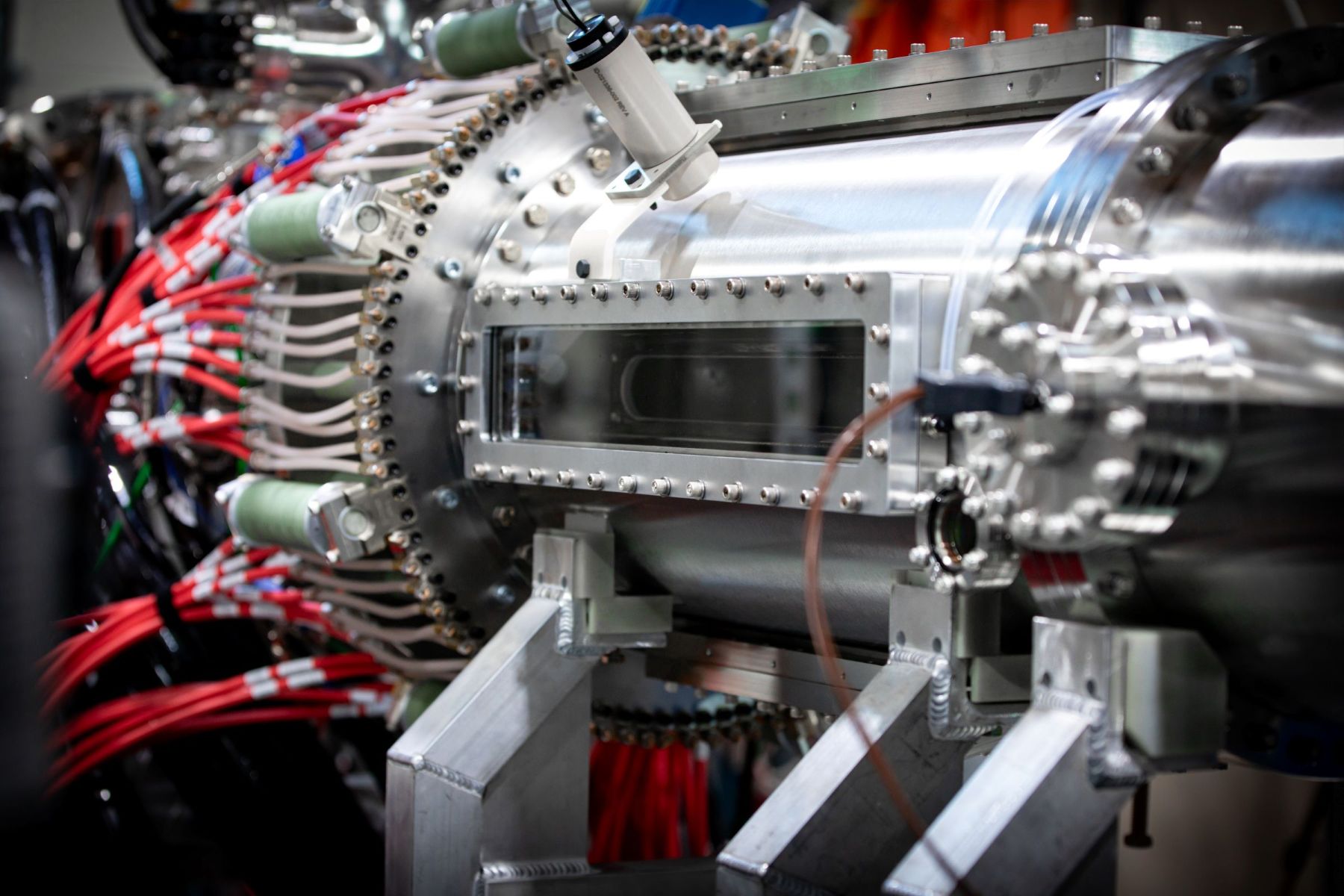
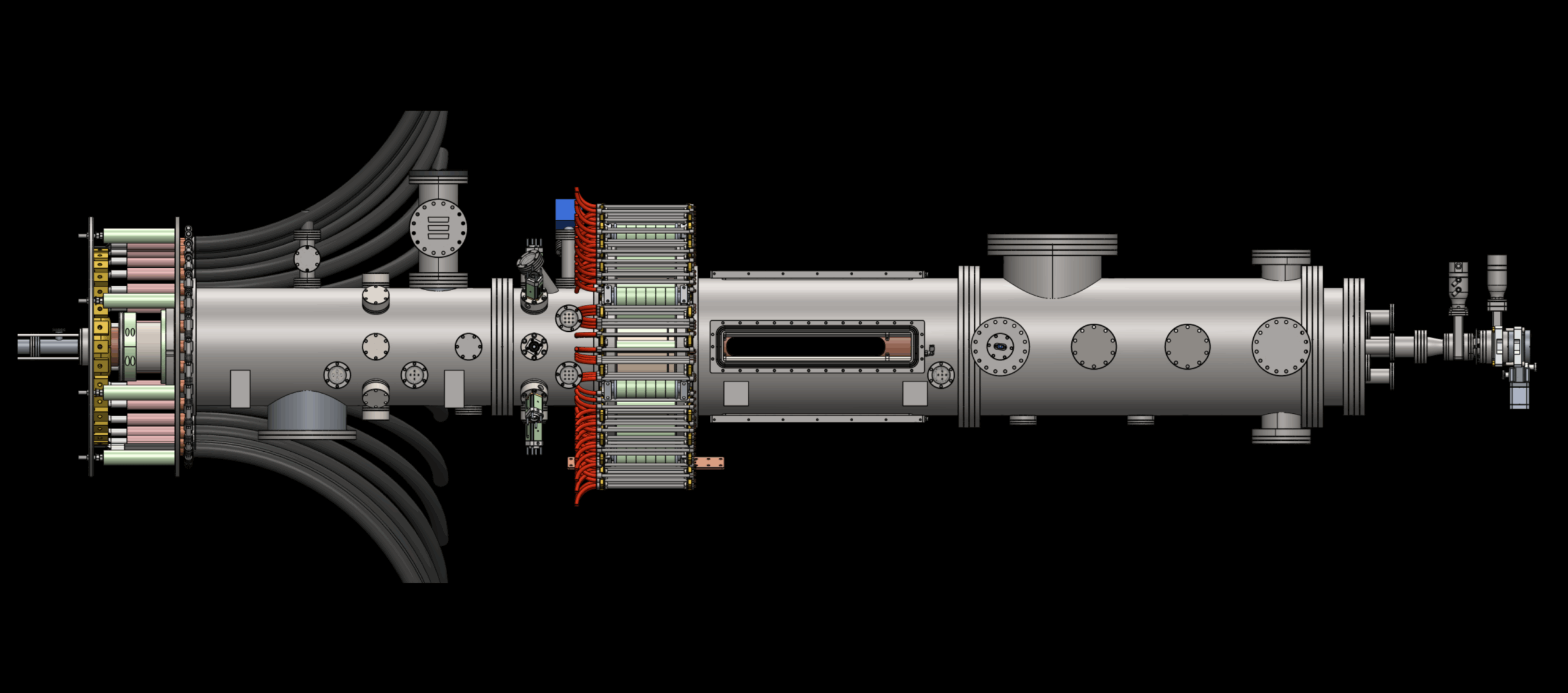
Fuze‑3 is Zap’s latest sheared‑flow‑stabilized Z‑pinch, in which current through a plasma creates a self‑generated magnetic field that compresses and heats it. Z‑pinch is historically plagued by kink and sausage instabilities; Zap’s design uses axial flow shear to tame those modes. The reported 1.6 GPa pressure and 11.7M °C push the approach into new territory for this architecture. According to Zap, the addition of a third electrode and use of two timed power banks delivered “two pulses of input power rather than one,” giving operators more control over how the plasma evolves during compression.
Why it matters: Fusion viability depends on the triple product (temperature × density × confinement time). Z‑pinch systems typically rely on very high densities and short pulses (microseconds) to compensate for limited confinement. Hitting higher pressure is therefore a central lever. Still, temperature appears below the ~100M °C often targeted for optimal deuterium‑tritium reactions, so further gains in both pressure and temperature, with sufficient confinement, are needed.
Industry Context
Fusion is crowded with divergent approaches. Commonwealth Fusion Systems (CFS) is pursuing a high‑field tokamak; Helion is developing a pulsed field‑reversed configuration (and has a high‑profile power purchase agreement target later this decade); TAE is advancing beam‑driven FRC concepts; and the National Ignition Facility achieved scientific breakeven with laser‑driven inertial confinement. Z‑pinch aims to trade complex superconducting magnets for simpler, pulsed hardware and capacitor banks-potentially lowering capex and footprint if stability and component lifetime issues are solved.
This milestone arrives amid escalating timelines to grid-scale demonstrations in the early 2030s. The bar for credibility has risen: buyers and regulators now expect transparent energy accounting (Qplasma and system Q), reproducibility, and clear paths to industrialization (rep‑rate, uptime, cost per shot, and component lifetimes).
What This Changes—and What It Doesn’t
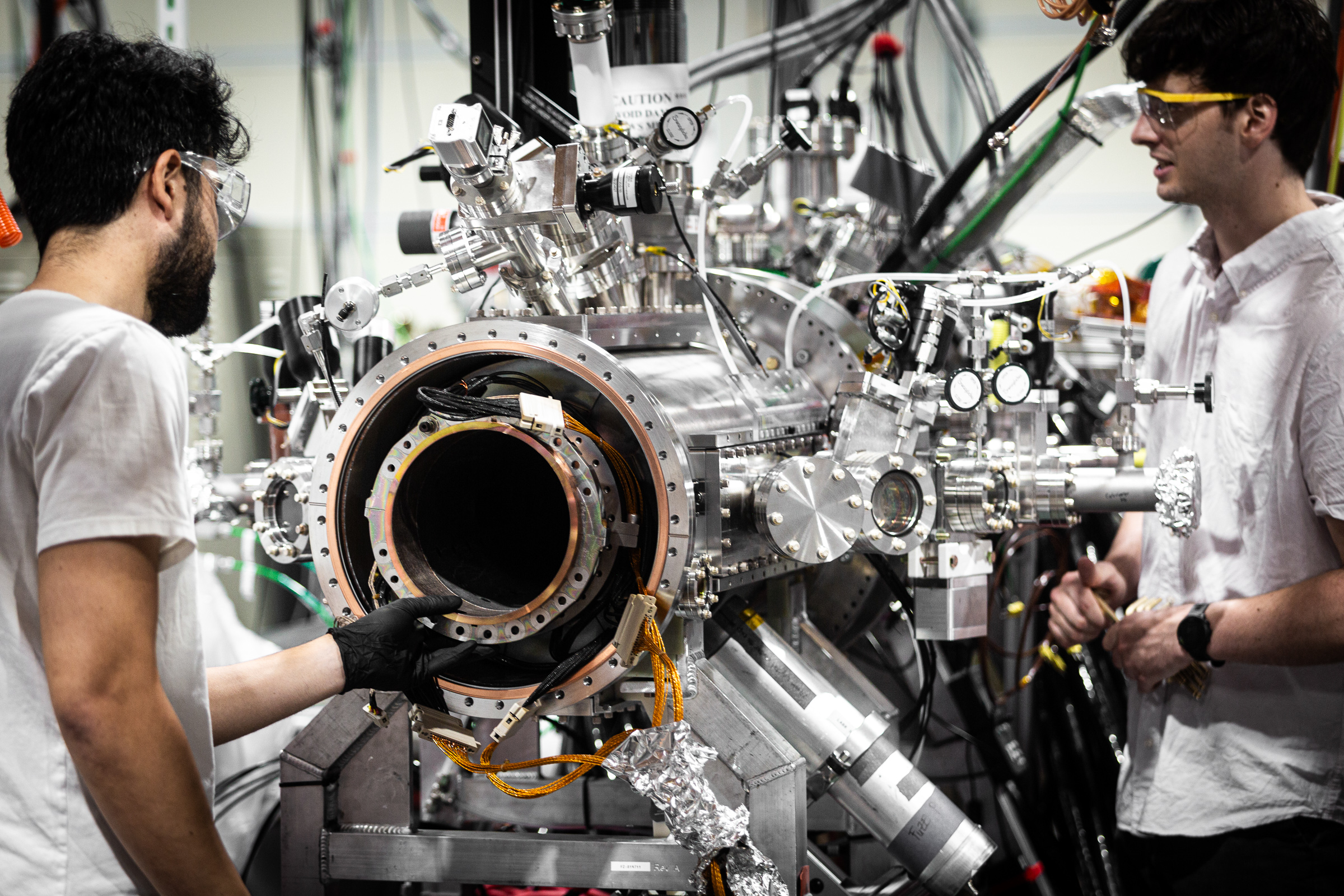
Practically, Fuze‑3 shows that Zap can ratchet pressure significantly using design tweaks rather than wholesale architecture changes. That matters for iteration speed and for learning curves that inform demonstration‑plant layouts (power electronics, pulse timing, and electrode geometry). The dual‑pulse approach also introduces new control knobs—timing, amplitude, and pulse shaping—that may be essential to balance compression against instability growth.
However, pressure alone won’t close the gap. To be relevant for utilities or data center buyers, Zap must demonstrate:
- Repeatable high‑pressure shots with quantified error bars and diagnostics traceability.
- Rising triple product, not just peak numbers—temperature and confinement time must keep pace with pressure.
- Rep‑rate and duty cycle sufficient for meaningful capacity factors (multi‑Hz regimes over sustained runs).
- Component durability—especially electrode erosion and power‑electronics reliability under repeated extreme pulses.
- Clear safety and licensing pathways, including tritium handling and neutron materials planning if moving to D‑T fuels.
Risks, Unknowns, and Validation Needs
The results are self‑reported from a research meeting, and Zap did not disclose key design details of the third‑electrode configuration. Without independent diagnostics and peer‑reviewed data, buyers should view the numbers as promising but provisional. Shot‑to‑shot variability, diagnostic calibration, and energy accounting will determine whether this record is robust. Finally, Zap notes it is still an order of magnitude away—on pressure alone—from scientific breakeven; engineering breakeven (including system losses) is a more demanding hurdle.
Operator’s Perspective: Where Could Z‑Pinch Fit?
If stabilized and industrialized, Z‑pinch could favor modular deployments with smaller site footprints and potentially lower capex than large magnet systems—attractive for colocated industrial heat, on‑prem generation for high‑density compute, or micro‑grids. But until Zap demonstrates high rep‑rate, durable components, and credible energy gain with relevant fuels, it remains a high‑beta R&D bet rather than a near‑term procurement option.
Recommendations
- Utilities and large energy buyers: Open technical diligence channels now. Ask for energy balance (Qplasma and system Q), rep‑rate roadmaps, electrode lifetime data, and independent diagnostics review. Treat PPA discussions as optionality, not committed capacity.
- Enterprise sustainability leaders: Track Zap’s winter device and seek third‑party validation of repeatability. Build a fusion evaluation rubric that includes safety, licensing, and supply chain (tritium, neutron‑resistant materials).
- Policy and regulators: Encourage disclosure standards for fusion milestones (diagnostics, uncertainty, and comparability) to reduce hype‑driven confusion across architectures.
- Investors and partners: Focus on controls, power electronics, and materials upgrades that directly raise the triple product and rep‑rate. Milestone payments should be tied to independently verified performance runs.
Bottom line: Zap’s Fuze‑3 is a meaningful technical step that strengthens the Z‑pinch narrative. It does not change the commercial calculus yet, but it increases the likelihood that Z‑pinch remains in the race as the sector moves from eye‑catching records to bankable, repeatable performance.
Leave a Reply