Executive summary – what changed and why it matters
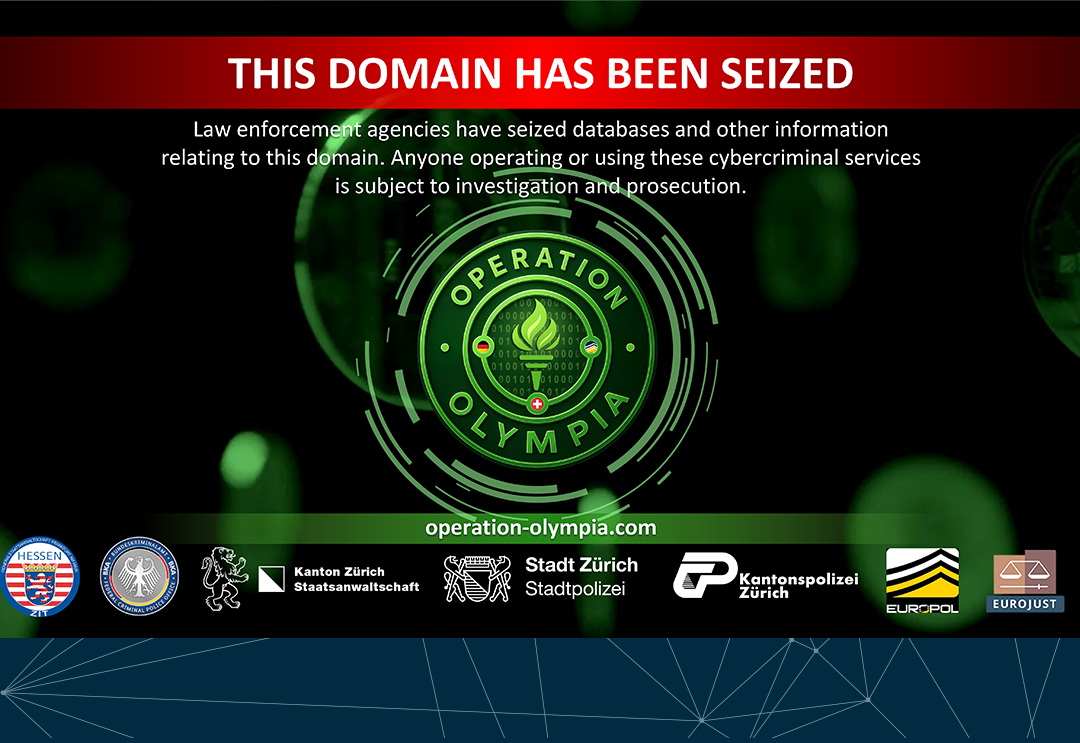
European law enforcement, led by Europol, dismantled Cryptomixer – a cryptocurrency “mixing” service reportedly used to launder an estimated €1.3 billion since 2016. Authorities seized €25 million in bitcoin, three physical servers, roughly 12 TB of forensic data and seized the cryptomixer.io domain. For operators and buyers, the immediate change is operational disruption to a major conduit for ransomware and darknet proceeds plus new forensic data that will improve blockchain tracing and prosecutions.
Key takeaways (quick)
- Scope: Cryptomixer allegedly laundered ~€1.3B since 2016; seizure: €25M in BTC, three servers, 12 TB of data and domain control.
- Immediate effect: disruption of a high-volume mixing channel used by ransomware and darknet actors; short-term friction for money launderers.
- Longer-term effect: the recovered data increases tracing capability across wallets and transactions, improving prosecution and civil enforcement.
- Limitations: seized funds are a small fraction of the total laundered sum, and mix services are resilient-expect migration to decentralised tools, privacy coins or peer-to-peer swaps.
- Governance angle: shows growing cross-border coordination and pressure on privacy-focused services; expect tighter AML scrutiny and vendor checks.
Breaking down the announcement — facts that matter to operators
What changed in practical terms: investigators took control of key infrastructure and a sizeable bitcoin holding, and collected 12 TB of data that likely contains transaction logs, account linkage information and server metadata. That evidence will feed blockchain analytics firms and law enforcement across jurisdictions, improving the ability to trace funds that previously appeared anonymised after mixing.
Quantification: the operation seized €25M in liquid bitcoin — material for prosecutions and asset forfeiture but under 2% of the reported ~€1.3B lifetime throughput. The seizure is significant symbolically and operationally, but not sufficient alone to eliminate laundering at scale.
Why now — context and enforcement momentum
This takedown comes amid intensified global scrutiny on crypto-mixers after high-profile ransomware attacks and prior enforcement actions against services like Tornado Cash. Two drivers explain timing: (1) improved cross-border cooperation and investigative tradecraft and (2) advances in blockchain forensics that can turn server metadata into actionable wallet linkages. Together, those raise the stakes for mixers and the businesses that touch them.

Implications and risks — what to watch
- Operational risk for firms: increased AML enforcement means counterparties and custodians must tighten monitoring for mixing activity and related transaction patterns.
- False positives and privacy: aggressive blocking of suspected mixing flows risks censoring legitimate privacy-seeking users and may spur legal pushback in some jurisdictions.
- Migration risk: criminals will adapt — expect movement to decentralised mixers, non-custodial peer-to-peer swaps, or privacy coins like Monero, which are harder to trace.
- Evidence use: the seized 12 TB could enable retroactive tracing, creating exposure for parties that previously handled or profited from mixed funds.
Competitive and market angle
Compare this to previous actions (e.g., Tornado Cash sanctions): enforcement had already signalled that mixing services face legal risk. The difference here is physical seizures plus forensic data — that raises the cost and legal risk for operators more than mere sanctions. Blockchain analytics providers and regulated custodians now gain a richer dataset to refine detection models, improving accuracy for AML compliance products.

Operator’s recommendations — immediate next steps
- Risk triage: Compliance and legal teams should re-run exposure scans for wallets and counterparties against updated indicators of compromise and mixing patterns.
- Vendor review: Reassess blockchain-analytics vendors and ensure they ingest new forensic indicators from this seizure; demand transparency on detection thresholds.
- Incident readiness: Update incident response playbooks to cover frozen/seized assets and regulatory enquiries; maintain chain-of-custody for any user data shared with authorities.
- Strategic posture: Security and product leaders should model scenarios where mixers migrate to decentralised architectures or privacy coins and evaluate how that affects AML, KYC and sanctions compliance.
Bottom line
The Cryptomixer takedown is a meaningful enforcement win: it disrupts a high-volume laundering channel, yields forensic data that improves tracing, and signals continued pressure on privacy services. However, the seizure covers a modest slice of the total alleged laundering and criminal actors are likely to pivot. Enterprises should treat this as a clear signal to harden AML controls, validate blockchain analytics inputs, and prepare for migration of illicit flows toward harder-to-trace mechanisms.
Leave a Reply