What Changed and Why It Matters
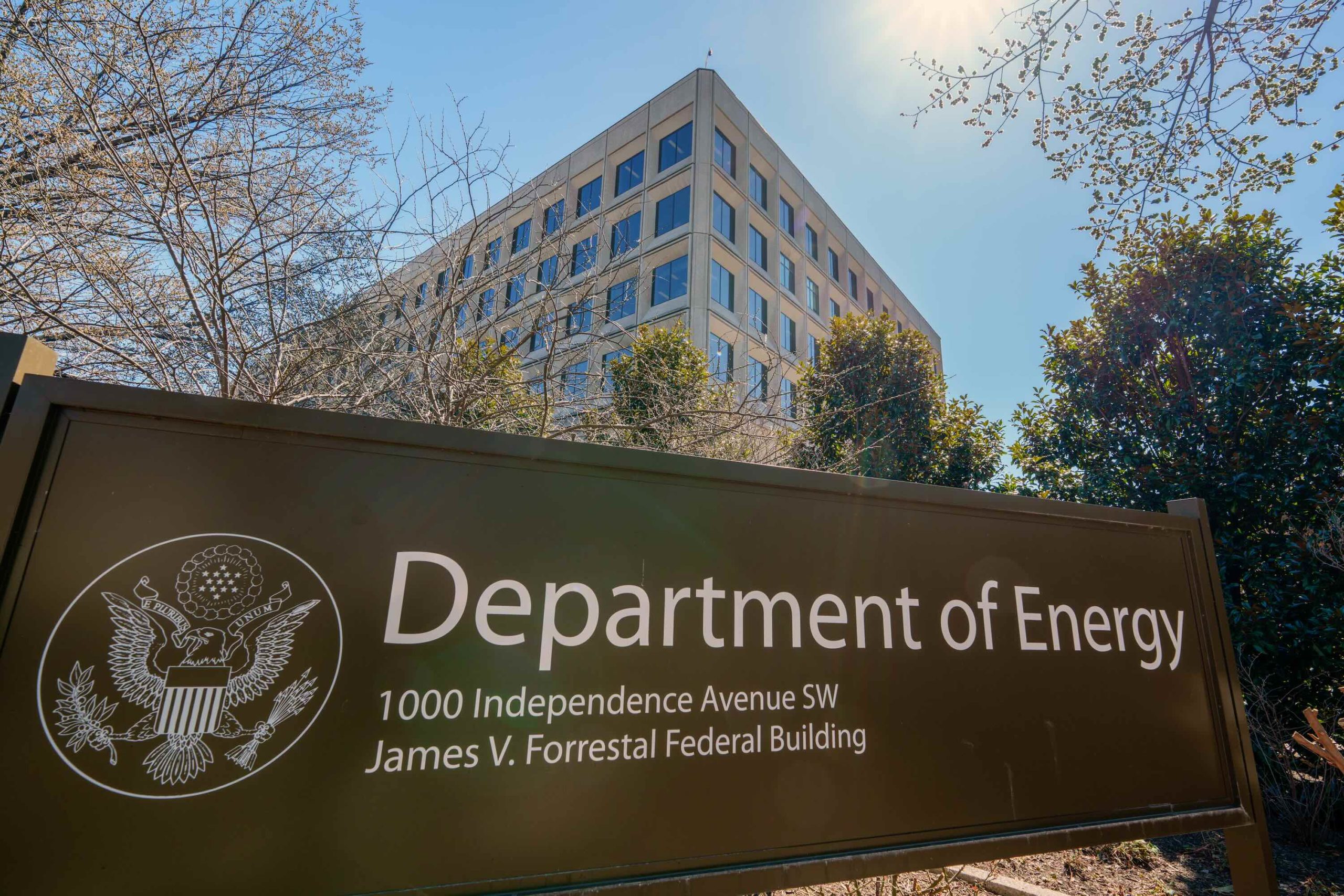
The Department of Energy is being reorganized to dissolve multiple renewables-focused offices, create a new Office of Fusion, and move geothermal under a fossil-centric portfolio. In practice, this pivots federal attention and staff capacity away from wind/solar deployment and grid modernization toward fusion commercialization and fossil energy. Expect months-long delays for clean energy grants and demonstrations, tighter eligibility for new awards, and a funding and talent shift that will ripple through utilities, developers, OEMs, and AI teams operating in energy.
Key Takeaways
- DOE plan dissolves EERE, OCED, Manufacturing & Energy Supply Chains, State & Community Energy Programs, Grid Deployment, and Federal Energy Management-functions to be redistributed with unclear timelines.
- New Office of Fusion elevates fusion R&D and public-private pilots; geothermal is grouped with fossil programs, signaling a priority reset.
- Near-term impact is operational: award cycles pause, FOAs are rewritten, and staff transfers slow decisions; already-obligated awards likely continue but face administrative friction.
- Legal and congressional challenges are likely; statutory funds tied to prior laws may constrain how far reorgs can go.
- AI focus will tilt toward fusion modeling and fossil optimization; renewable AI workflows need state/utility funding or private capital to sustain.
Breaking Down the Announcement
Substantively, DOE is collapsing or relocating portfolios that historically delivered wind/solar R&D, manufacturing grants, state energy programs, grid resilience, and federal facility decarbonization. The proposed consolidation deprioritizes deployment support and demonstrations managed by OCED and the Grid Deployment Office-units that were pivotal for large-scale pilots, transmission upgrades, and industrial decarbonization. A new Office of Fusion centralizes strategy, budget, and partnerships for fusion concepts and supply chains. Geothermal’s reassignment into a fossil-aligned directorate reframes it as a subsurface/thermal resource rather than a core renewable pillar.
What’s immediate versus eventual? Day one effects are process: FOAs paused for redrafting, leadership changes, and reprogramming requests routed through OMB and appropriators. Most existing cooperative agreements and contracts remain binding, though recipients should prepare for no‑cost extensions, revised milestones, or “stop work” notices on unstarted tasks. The sharper budget impact will surface in the next appropriations cycle and any rescissions of unobligated balances.

Industry Context and Why Now
The reorganization aligns with a “reliability and affordability” narrative: favor mature dispatchable fuels and bet on fusion as a moonshot, while de-emphasizing wind/solar subsidies and deployment programs. This arrives as utilities continue to add mostly solar-plus-storage in integrated resource plans and as Lazard’s recent LCOE analyses keep utility-scale solar and onshore wind among the lowest-cost new generation in many regions. Internationally, the EU and China are expanding renewables manufacturing and grid-scale storage. In other words, market momentum for renewables persists even as federal deployment support contracts.
What This Changes for Operators and AI Teams
- Renewables developers: Anticipate a gap in federal grantmaking, demonstration cost shares, and transmission support. State RPS mandates and utility procurement continue, but bid timing and interconnection studies will be the bottleneck.
- Fusion ecosystem: Access to national labs, test facilities, and joint pilot funding likely improves. AI demand will surge for plasma control, surrogate models, and materials discovery.
- Fossil operators: Expect more receptive permitting and support for efficiency, CCUS pilots, and methane management. Data and AI for reservoir modeling, flare/methane detection, and refinery optimization will see tailwinds.
- Federal facilities and ESCOs: Dissolving FEMP introduces uncertainty for energy performance contracts and on‑site PV/efficiency retrofits; prepare for procurement delays and altered M&V requirements.
- Grid stakeholders: Recasting the Grid Deployment Office could slow resilience grants, transformer initiatives, and transmission planning assistance-raising financing costs and timelines for large projects.
Risks, Caveats, and Governance
Expect Administrative Procedure Act lawsuits and appropriations fights over reprogramming and office eliminations. Statutory programs (e.g., state energy or weatherization) cannot simply vanish; their administration can be moved or slowed, but funds tied to law are constrained by Congress. Treasury-administered tax credits remain in statute; executive policy can narrow interpretations, but wholesale elimination would require congressional action. Operators should also plan around oversight-driven delays—congressional inquiries often elongate award schedules by months.
Competitive Angle
If you’re betting on fusion, the window for public-private pilots just opened wider. For wind/solar, the center of gravity shifts to states, utilities, and private infrastructure funds. Compared with the prior policy regime, this favors projects with merchant revenue, utility PPAs, or IRA tax equity that don’t depend on DOE grants. It also advantages gas, CCUS, and industrial efficiency projects that can show near-term reliability gains and cost impacts.
Operator Playbook: What to Do Now
- Stabilize funding: Map every project to its statutory basis and obligation status. For grants not yet obligated, develop plan B financing (state programs, green banks, tax equity, offtaker prepayments).
- Reprioritize AI roadmaps: Shift near-term effort to fusion (plasma stability prediction, reinforcement learning for control, digital twins of blankets/divertors) and fossil optimization (reservoir simulations, advanced process control, methane analytics).
- Harden compliance: Build automated NEPA and permitting workflows; expect new templates and guidance. Prepare for data calls and audits tied to reorganized oversight.
- Protect schedules: Negotiate milestone flexibility and force‑majeure‑style clauses. Assume 3-6 month delays for federal decisions; lock equipment and EPC slots accordingly.
- Watch the signals: Track OMB reprogramming approvals, revised FOA calendars, and early litigation outcomes. If grid and demonstration funds restart under new banners, reengage fast.
Bottom line: Federal priorities just moved. Fusion and select fossil pathways get institutional lift; wind/solar deployment support and grid grants face administrative drag. Don’t pause your portfolio—rebalance it, and realign your AI and data investments to the programs and revenue streams that will still move on time.
Leave a Reply