Why This Announcement Actually Matters
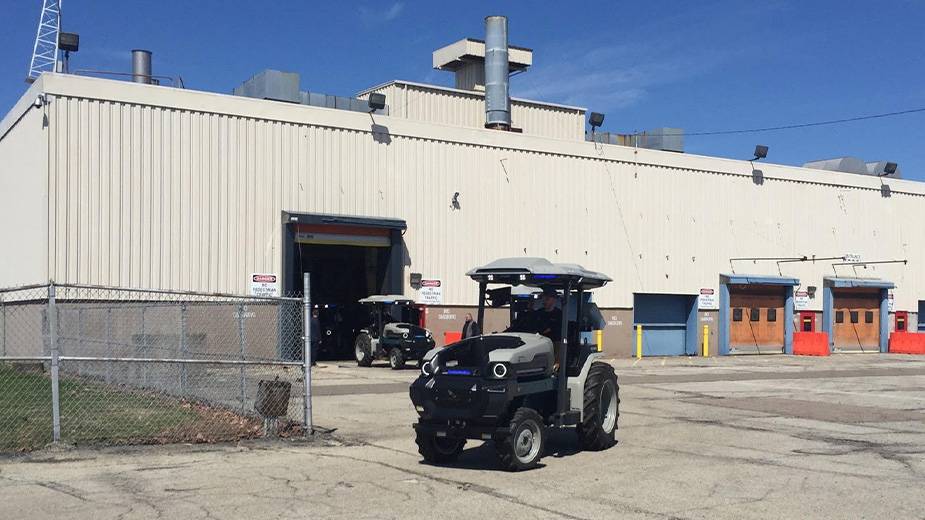
Monarch Tractor warned employees it may lay off up to 102 people and could even shut down as it pivots from building autonomous electric tractors to selling autonomy as a software service and licensing its tech. The shift follows the loss of contract manufacturing with Foxconn, customer litigation alleging nonfunctional autonomy, and a restructuring after shipping roughly 500 tractors-despite raising more than $220 million to date. For buyers, this signals near-term service continuity risk; for OEMs, a potential opportunity to license a ready-made autonomy stack-if it’s production-ready.
Key Takeaways
- Substantive change: Monarch is moving from vertically integrated hardware to SaaS autonomy and licensing. That reduces capital intensity but increases integration and safety burden on partners.
- Operational risk: The company warned of possible shutdown during the transition. Expect support and parts risks for existing tractors.
- Product maturity questions: A dealer lawsuit alleges the tractors were “unable to operate autonomously.” Monarch denies the claims, but it raises validation and trust issues.
- Manufacturing gap: The loss of Foxconn removes near-term hardware scaling options and accelerates the need to monetize software independently.
- Market context: Incumbents (John Deere, CNH/Raven, AGCO/Trimble) are bundling autonomy tightly with their machines; pure software licensing in ag is less proven.
Breaking Down the Announcement
Founded in 2018, Monarch set out to deliver “driver-optional” electric tractors for vineyards and specialty crops. After shipping around 500 units, the company restructured in late 2024 to broaden use cases (dairy feed push, golf maintenance) and to emphasize software services. A memo to staff now says the timing of the transition puts the company at risk of shutdown, with up to 102 layoffs contemplated. Headcount was roughly 300 in late 2024, after more than 10% cuts. Monarch also lost Foxconn as a contract manufacturer earlier this year and saw co-founder Mark Schwager depart day-to-day operations (remaining on the board).
Separately, an Idaho dealer sued, alleging the tractors were defective and “unable to operate autonomously” after delivery in 2024. Monarch disputes the claims in court filings. Regardless of outcome, the case highlights the central challenge for off-road autonomy: reliability across variable terrain, crop rows, lighting, dust, and connectivity constraints, with minimal human intervention.
Industry Context: Why This Pivot Is Hard
Ag autonomy adoption is lumpy because the burden of proof is high and seasonal windows are unforgiving. Uptime, intervention rate, and safety cases matter more than peak demo performance. Incumbents have taken a systems approach: John Deere’s acquisitions (Blue River, Bear Flag) are integrated with Deere iron; CNH Industrial bought Raven for autonomy and guidance; AGCO partnered with Trimble to control the guidance stack. These players monetize through hardware plus software subscriptions, backed by established dealer service networks.

A “software-only” play in agriculture must confront integration realities: drive-by-wire control, redundant braking/steering, 2-3 cm RTK positioning, sensor fusion (cameras, radar, possibly lidar), tele-operations, and functional safety (e.g., ISO 25119 for ag machinery). Without control of the hardware and validation cycles, autonomy vendors face longer sales cycles and higher liability scrutiny. That’s the hill Monarch now needs to climb as it shifts to licensing.
What This Changes for Operators and Buyers
If you operate Monarch tractors today, plan for service continuity risk. A shutdown or deep cuts could impact parts availability, firmware support, and safety updates. If autonomy functions are unstable in your environment, expect further delays as the company prioritizes the software pivot and OEM relationships. For buyers mid-evaluation, factor in residual value and warranty exposure; confirm escrow of source code or activation keys, and require on-site acceptance tests tied to payment milestones.
For OEMs, Monarch’s pivot could be attractive if the autonomy stack delivers stable row-following, obstacle detection, and remote oversight with documented intervention rates and safety cases. But integration cost is non-trivial: expect a 12-24 month program for a new model family, even with a mature stack. Demand evidence: continuous operations over an entire season, MTBF on sensors and compute, and a clear liability and data-ownership framework.
Competitive Angle: Where Monarch Fits Now
Compared with Deere, CNH, and AGCO/Trimble, Monarch’s new plan resembles the general autonomy licensing model seen in industrial and mining robotics. In ag, retrofit autonomy subscriptions exist (e.g., precision guidance and path automation), but they typically ride on robust hardware bases and dealer networks. Monarch lacks that scale and will need to prove its software is OEM-ready across diverse platforms. If it succeeds, smaller OEMs (Kubota, Mahindra, specialty implement makers) could accelerate autonomy without multi-year internal R&D. If it stumbles, incumbents’ integrated stacks will consolidate share.
Risks and Governance Considerations
Key risks include: runway (the memo admits shutdown risk during the transition), product liability (especially if autonomy performance is disputed), and service obligations to existing customers. Off-road autonomy still requires rigorous safety engineering and documentation; OEM licensees should insist on hazard analyses, validation datasets, and compliance evidence. Data rights are another fault line-farm telemetry, imagery, and autonomy logs should have clear ownership and retention terms.
Operator’s Playbook: What To Do Next
- Current Monarch customers: Build a 6-12 month continuity plan. Stock critical spares, export configuration and map data, and secure offline access to essential software. Formalize support SLAs in writing; if autonomy is unreliable, prioritize safe manual operations.
- Prospective buyers: Pause new commitments until there’s clarity on funding and support. If proceeding, require performance bonds, source code escrow, and milestone-based payments tied to on-farm acceptance (uptime, intervention rate, and safety events).
- OEMs evaluating licensing: Run a technical diligence sprint. Request safety case documentation (e.g., ISO 25119 approach), multi-season field logs, intervention/hour metrics, and hardware BOM assumptions. Budget for integration engineers and a dealer training program from day one.
- Investors and partners: Model an asset-light restart scenario (software IP, autonomy datasets, and select engineering talent). If shutdown occurs, an asset purchase could be viable—but only with committed OEM channels and a service plan for installed units.
Bottom line: Monarch’s pivot is a rational response to hardware headwinds, but it trades capital intensity for integration and credibility challenges. Until the company secures OEM deals and demonstrates season-long reliability with clear safety evidence, operators should manage downside risk and proceed deliberately.
Leave a Reply