What Changed-and Why It Matters
Nevada OSHA issued three willful citations totaling $425,595 to The Boring Company after Clark County firefighters suffered chemical burns during a rescue drill at the company’s Las Vegas tunnel site-then withdrew those citations after high-level meetings involving state officials and Boring Company leadership, according to Fortune’s reporting and state records. The case file was also altered to remove evidence of the meeting and later corrected. For operators and buyers, this isn’t just a safety incident; it signals governance risk, potential regulatory fragility, and exposure to schedule, insurance, and reputational fallout when partnering on high-visibility infrastructure projects.
Key Takeaways
- Firefighters and Boring Company employees were burned by a chemical accelerant used to harden tunnel concrete that mixed with groundwater and formed caustic muck.
- Nevada OSHA initially issued three “willful” citations-its highest severity—proposing $425,595 in fines. The citations were later withdrawn after unusual meetings with senior state officials.
- Records tied to the meeting were altered, then restored, raising regulatory-integrity questions and oversight risk for public buyers.
- The core failure appears to be hazard communication and pre-drill planning—fundamentals required under OSHA’s Hazard Communication Standard and standard ICS practice for joint drills.
- Expect higher due diligence thresholds from insurers, councils, and boards before greenlighting similar projects or vendor engagements.
Breaking Down the Incident
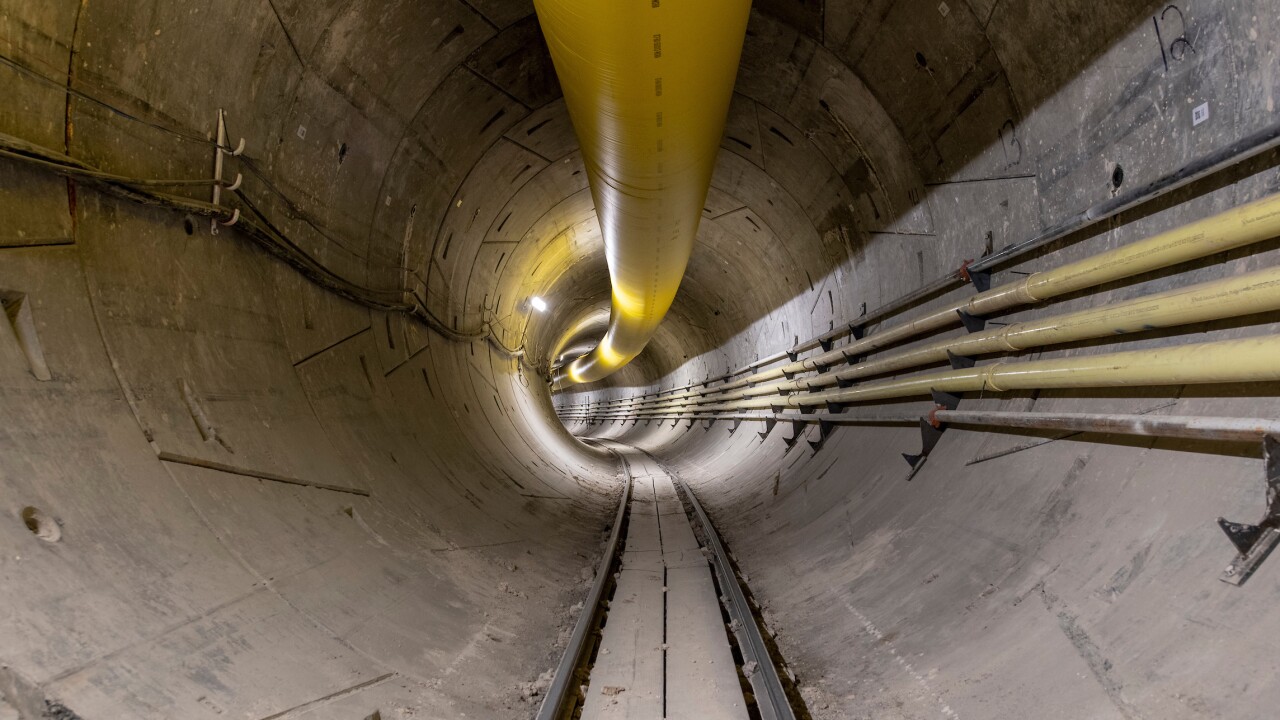
Per the report, Clark County firefighters conducted rescue drills in late 2024 at The Boring Company’s Las Vegas tunnels. A concrete accelerant on site—common in tunneling to harden shotcrete—had pooled with groundwater and dirt, creating a highly alkaline slurry. Firefighters reported that their boots filled with the muck, leading to chemical burns requiring hospital treatment. The Boring Company argued the fire department mishandled the training plan; Nevada OSHA nonetheless issued three willful citations in May, proposing $425,595 in penalties. The same day, Boring Company president Steve Davis contacted the Governor’s office. Meetings followed with state leadership, and Nevada OSHA withdrew the citations—an unusual deviation from the normal citation-and-appeals process, according to former OSHA officials quoted by Fortune. A document in the case file was initially altered to remove the meeting reference, then corrected after media inquiry.

Operational Gaps and Compliance Failures
The proximate cause is basic: failure to identify, communicate, and control a known chemical hazard to external responders. Under OSHA’s Hazard Communication Standard (29 CFR 1910.1200), employers must maintain Safety Data Sheets (SDS), label hazards, and communicate risks to affected workers—and, during multi-employer operations, share relevant information to prevent exposures. For joint drills, incident pre-plans should catalog site hazards, PPE requirements (e.g., waders, chemical-resistant boots), decontamination steps, and exclusion zones. The presence of caustic slurry requires clear boundaries and immediate wash-down capability. These controls are well-established in heavy civil construction and ICS practice; their absence points to a breakdown in “bridging” safety plans between the contractor and public agencies.
“Willful” citations signify an employer either knowingly failed to comply or showed plain indifference to safety. Even though Nevada OSHA withdrew the citations, the underlying risk profile does not disappear. If anything, the sequence introduces a second-order risk: stakeholders cannot rely exclusively on state enforcement to compel improvements.

Industry Context and Competitive Angle
Cement and shotcrete accelerators are routine in tunneling and are known to cause alkaline burns (often pH 12-13) on skin contact. Tier‑1 civil contractors typically mitigate with aggressive housekeeping, SDS-driven training, visible hazard signage, and joint responder pre-briefs. The divergence here is not the chemistry; it’s the safety culture and governance. For municipalities weighing vendors on transit or utility tunnels, this episode puts a spotlight on comparative EHS maturity, openness with regulators, and the ability to execute multi-agency drills without incident. Weakness in any of these areas can translate into stoppages, higher insurance premiums, and community pushback that delays openings.
What This Changes for Buyers and Operators
- Expect tougher pre-award diligence from councils and insurers: independent EHS audits, review of SDS inventories, and drill after-action reports.
- Contracts will likely add stronger safety covenants: mandatory hazard registers, responder briefings, and “stop work” authority for public agencies on drills.
- Board and public scrutiny will increase when records show unusual regulator meetings or altered documentation—raising governance and reputational risk.
- Schedule risk increases: any follow-on investigations, retraining, or site modifications can slip milestone dates and increase contingency budgets.
Recommendations
- Mandate a joint hazard briefing before any drill: Require SDS packets, site maps marking hazard zones, defined PPE lists (including chemical-resistant boots/waders), and decon procedures. Document attendance with sign-off.
- Insert safety performance conditions into contracts: Independent third-party EHS audits, unannounced inspections during critical operations, and liquidated damages for breach of safety plans.
- Strengthen multi-agency “bridging documents”: Clarify roles between the contractor, fire/rescue, and the owner’s rep. Give the incident commander explicit authority to halt activity if hazards are not mitigated.
- Align insurance and indemnity: Confirm workers’ compensation, general liability, and owner-controlled insurance programs cover joint drills; require reporting of recordable incidents within 24 hours; tie premium adjustments to safety KPIs.
- Escalate governance oversight: When citations are withdrawn under unusual circumstances, request a written rationale, preserve the record, and consider elevating concerns to federal OSHA for review of state-plan actions.
Looking Ahead
With Las Vegas expansion plans and potential new municipal tunnels on the horizon, this episode will shadow permitting and procurement. Even without active citations, buyers should treat this as a signal to harden safety governance and audit trails. The technical hazard is manageable; the real question is whether vendor practices, regulator independence, and public-agency readiness are aligned to keep workers and responders safe—without drama that derails delivery.
Leave a Reply