Executive summary – what changed and why it matters
Zillow removed First Street climate‑risk scores from more than 1 million listings last month, replacing visible risk badges with a subtle link to First Street records after objections from the California Regional Multiple Listing Service (CRMLS) and real‑estate agents. The substantive change: buyers no longer see flood and wildfire probabilities up front on a major consumer platform – access is now one click deeper and easier to miss.
- Zillow first added the scores in Sept 2024; the data provider, First Street, has raised over $50M and supplies scores to Realtor.com, Redfin and Homes.com.
- Zillow previously cited that “more than 80% of buyers consider climate risks” when buying; removing visible scores reduces buyer-facing transparency at the point of sale.
- The move shifts potential financial risk from pre‑purchase decisions to post‑purchase liabilities for buyers – and liability exposure for sellers and agents who didn’t disclose risks.
Breaking down the announcement
What actually changed: visible, summary climate‑risk scores from First Street are no longer embedded in Zillow property pages for California (CRMLS territory) and more than one million listings nationwide. Zillow left a link to First Street’s records, but buried it compared with the prior UI. CRMLS argued the scores affected perceived desirability and questioned accuracy; agents said scores were costing sales.
First Street defended its models, pointing to peer‑reviewed methods and validation claims — for example, that during Los Angeles wildfires its maps labeled over 90% of homes that burned as severe/extreme risk and 100% as having some risk, outperforming official CalFire maps. Independent analyses also highlight gaps in official tools: a Louisiana State University study found nearly twice as many properties carry a 1% annual flood risk than FEMA maps indicate.
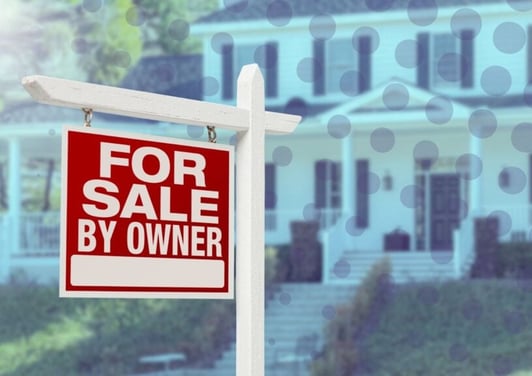
Why now — market forces behind the move
Climate‑driven property losses are increasing, insurers are re‑pricing or retreating from high‑risk markets, and investors and cities are using third‑party risk analytics to underwrite exposure. Platforms face pressure from two directions: agents who fear reduced sales and consumers demanding disclosure. Zillow’s removal reflects agent and MLS influence in a market where seller representation still shapes what buyers see.

Immediate implications for operators and buyers
- Reduced front‑end transparency: Casual buyers are less likely to see climate risk, increasing asymmetric information at purchase.
- Shifted liability: Buyers may discover risk after closing, increasing potential for post‑purchase claims or litigation against sellers/agents for nondisclosure.
- Competitive fragmentation: Realtor.com, Redfin, and Homes.com still display First Street scores — comparison shopping will expose inconsistencies across major portals.
- Regulatory risk: States (notably California) could enforce disclosure standards if market actors curtail public risk information.
How this compares to alternatives
Zillow’s step back contrasts with Realtor.com, Redfin and Homes.com, which continue to surface scores. For product leaders, this means consumer expectations will split by portal: some buyers get immediate risk signals, others do not. From an insurer or city planning view, authoritative risk data is moving into private analytics firms rather than public hazard maps, intensifying the need for standardized validation and disclosure practices.
Risks and governance considerations
Accuracy disputes open governance issues: model transparency, validation frequency, and dispute resolution. Agent incentives to suppress visible risk data create moral‑hazard and regulatory risk. There’s also fair‑housing exposure if risk flags correlate with demographics or are used to steer buyers. Finally, inconsistent visibility across portals undermines comparability — a source of future litigation and regulatory scrutiny.

Recommendations — what leaders should do next
- For real‑estate executives and brokers: don’t weaponize omission. Adopt a clear, documented disclosure policy and train agents on how to communicate probabilistic climate risk without causing panic. Keep audit trails of what was shown to buyers.
- For platform and product leaders: A/B test visible risk badges versus deeper links to measure conversion and legal impact. Provide confidence intervals, data provenance, and a standardized “how we measure” panel to reduce accuracy disputes.
- For insurers and investors: Integrate third‑party risk scores into underwriting workflows with an independent validation step; expect platform fragmentation and demand uniform reporting standards.
- For policymakers and compliance leads: Monitor state‑level responses and prepare for potential mandatory disclosure rules; push for model standards and dispute resolution processes for third‑party climate analytics.
Bottom line: Zillow’s rollback is a tactical retreat driven by agent pressure, but it doesn’t reduce underlying climate exposure. For executives and product leaders, the practical choices are clear: standardize how risk is presented, validate models publicly, and prepare for regulatory intervention — or accept greater liability and consumer distrust.
Leave a Reply