Why This Actually Matters
Waymo’s commercial robotaxi service is now operating on freeways in the San Francisco Bay Area, Phoenix, and Los Angeles. The company says this unlock cuts ride times by up to 50% and expands its Bay Area service footprint to 260 square miles, enabling airport connections like San Francisco International (SFO) that were previously impractical via surface streets. For operators and buyers, freeway autonomy is the milestone that determines whether autonomous ride-hail moves from novelty to viable network utility.
Key Takeaways
- Freeway access halves trip time on many routes, improving vehicle throughput and making airport runs feasible.
- Expect lower ETAs and better utilization; unit economics may improve, but only if safety performance and uptime hold at higher speeds.
- Regulatory and operational hurdles remain for airport pickups (permits, curb space, staging) and for consistent freeway behavior in construction, weather, and incident scenarios.
- Capital is flowing back into autonomy and electrification: a $1.8B SPAC for Einride and multiple nine‑figure rounds across sensors, defense autonomy, and EV platforms.
- Hands‑free ADAS keeps advancing: Ford’s BlueCruise will broaden in Europe in 2026, signaling mainstream L2 expansion alongside L4 robotaxi pilots.
Breaking Down Waymo’s Freeway Unlock
Freeways are the connective tissue in sprawling metros. Moving from surface streets to highway segments reshapes both rider experience and fleet economics. Shorter trip times mean the same vehicle can complete more rides per operating hour. As a simple illustration: if a subset of trips drop from 40 minutes to 20 minutes, a vehicle completing ~20 rides per day could plausibly increase to 24-28, depending on demand and deadhead time. That improves revenue per vehicle-day without adding cars, provided the system maintains safety and service quality at higher speeds.
There are tradeoffs. Energy consumption rises with speed due to aerodynamic drag; battery-only range can shrink on freeways, requiring careful charging orchestration. Cloud and perception compute costs often scale with time rather than distance, so halving time per trip can help on the cost side. Net unit economics will hinge on how often freeway routes are selected, airport pickup authorization, and whether ETAs and cancellations improve during peak periods.
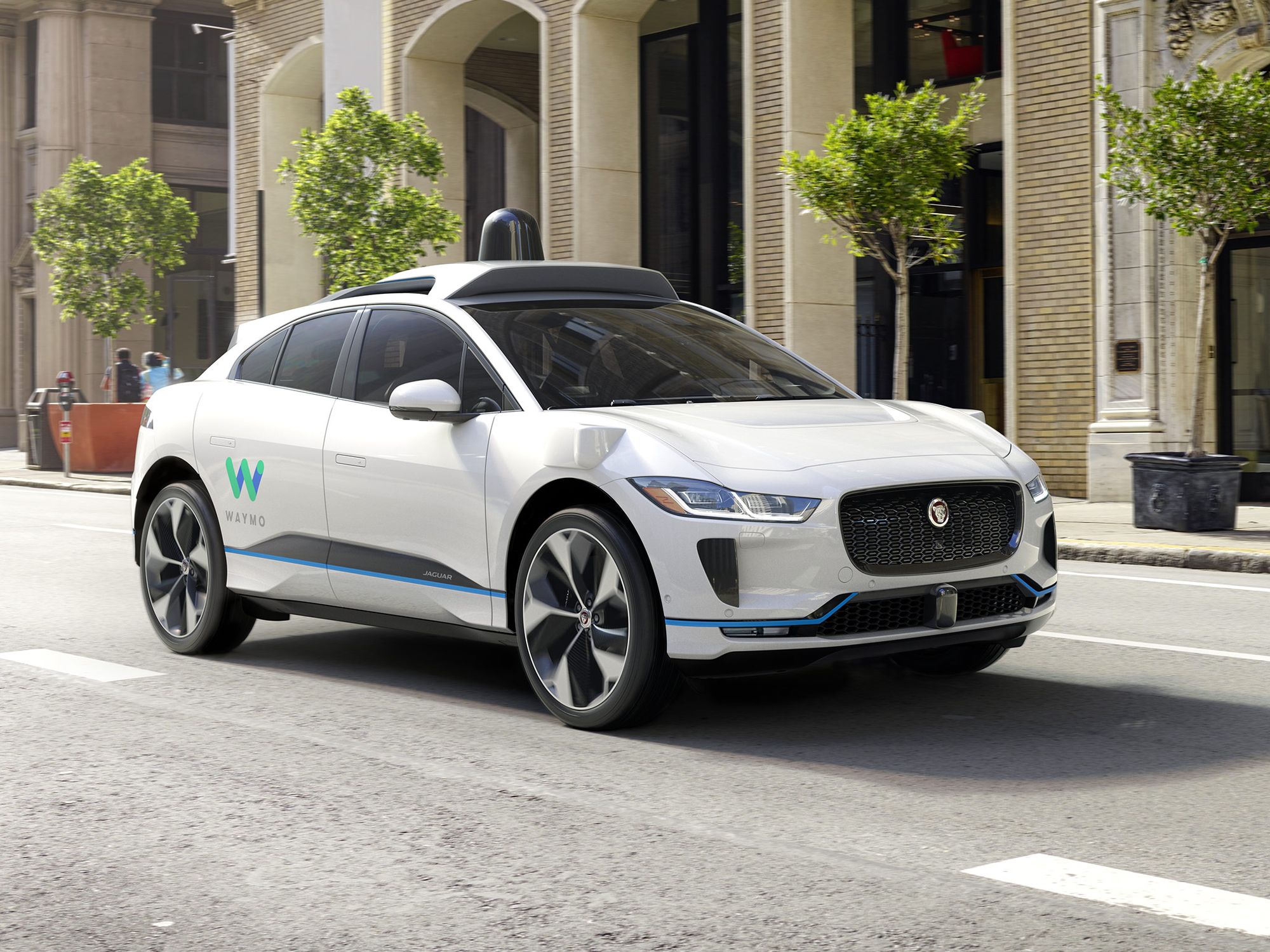
Airport access is the near-term commercial unlock. Business travelers prioritize reliability and time-to-curb. But airport operations add constraints: dedicated staging areas, permit fees, geo-fencing, and curbside throughput rules that can throttle supply regardless of technical capability. Waymo is testing SFO service; until airport agreements are in place and proven at scale, expect a measured ramp.
From a competitive standpoint, this strengthens Waymo while others remain constrained or pivoted. Freeway autonomy pressures ride-hail incumbents to match airport reliability, whether via partnerships or differentiated premium tiers. It also sets a performance bar for other robotaxi programs still focused on low-speed or fixed-route operations.
Risk, Governance, and What to Watch
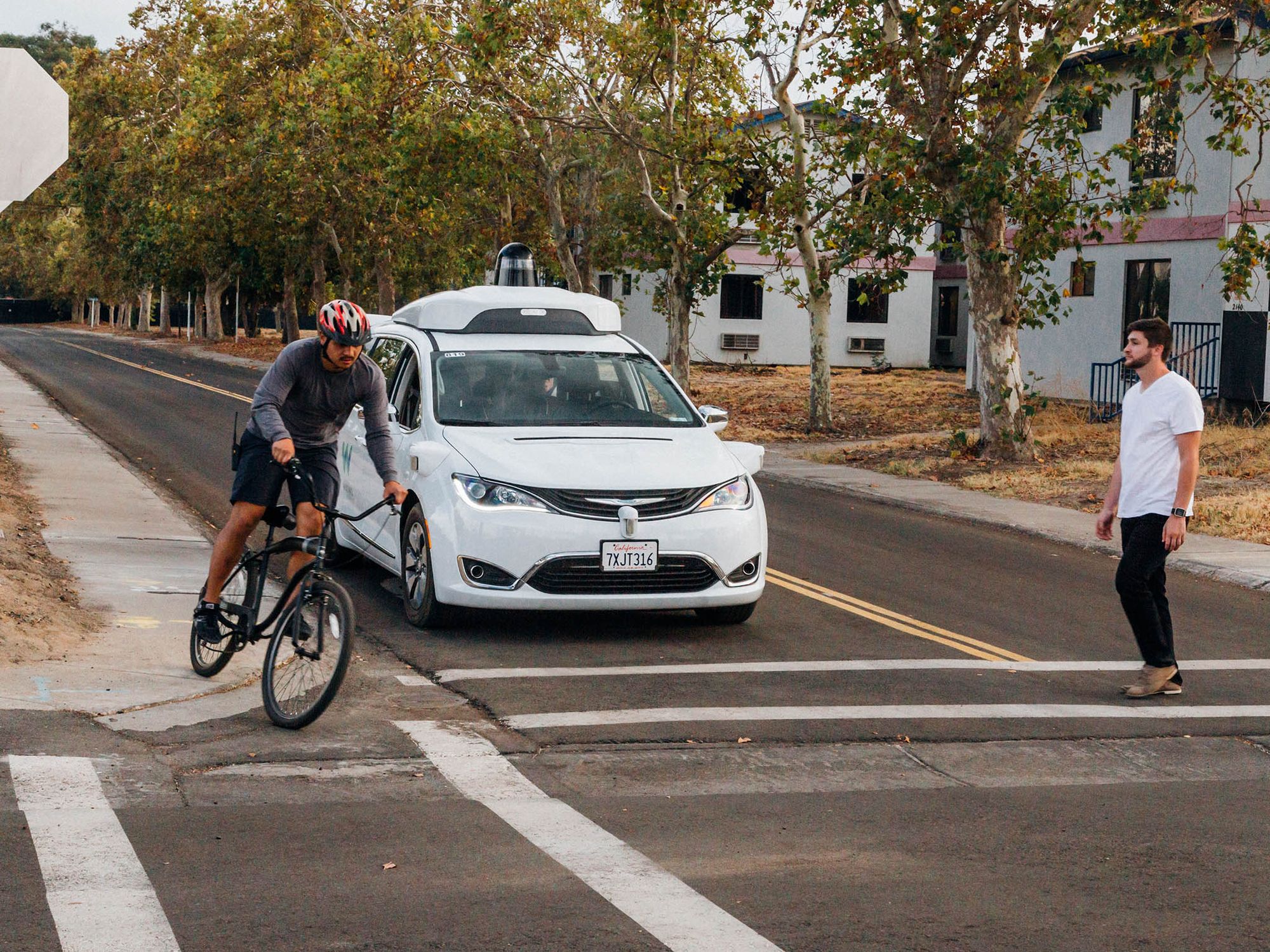
High-speed edge cases-merges, work zones, debris, emergency vehicle interactions-elevate safety stakes. Buyers should ask for corridor-level safety metrics: disengagement-free miles on freeways, collision rates normalized per million miles, incident taxonomy (cut-ins, brake checks), and weather coverage limits. Airport KPIs matter too: pickup success rate at terminals, average curb dwell time, and percentage of rides reassigned due to staging constraints.
Regulatory oversight differs by state and facility owner. City and airport authorities can impose additional data-sharing and reporting for curbside operations. For enterprises considering corporate travel integrations, confirm that indemnities, incident reporting, and data retention policies meet your compliance standards.
The Capital Signal: Einride’s $1.8B SPAC and More
Capital is returning to autonomy-selectively. Einride plans to go public via a SPAC with Legato Merger Corp. at a $1.8B pre-money equity valuation, targeting close in the first half of 2026. Unlike many past mobility SPACs, Einride generates revenue today, largely from its software platform and a fleet of ~200 heavy-duty electric trucks serving shippers like Heineken and PepsiCo; its autonomous pod trucks remain in pilots. The two-year runway to close suggests a cautious path to public markets amid continued SPAC redemption risks. Diligence should focus on contracted revenue quality, gross margin on SaaS vs. trucks, and regulatory pathways for driverless pods on public roads.
- Forterra raised $238M (equity and debt) for defense autonomy—defense remains a durable demand signal for high-reliability robotics.
- Harbinger secured $160M (co-led by FedEx), plus a 53-chassis order—evidence of anchor-customer validation in commercial EVs.
- Teradar raised $150M for solid-state sensors—continued bets on cost-down, ruggedized perception stacks.
- Vay received $60M from Grab, with up to $350M more tied to milestones—teleoperation and remote driving are gaining strategic backers in Asia.
- Octopus EV expanded its funding line to £2B—capital access for EV leasing indicates maturing downstream demand.
- Upway closed $60M for e-bike refurbishment—secondary markets and circular models are consolidating.
- Ford will expand BlueCruise hands-free highway driving (L2) in Europe from spring 2026 across multiple models—consumer ADAS marches on as robotaxis scale selectively.
- Joby flew a turbine-electric autonomous VTOL demonstrator for defense—hybrid concepts diversify beyond urban air taxi timelines.
Operator’s Playbook: What to Do Now
- Mobility and travel leads: Pilot airport runs where available. Track ETA variance, cancellation rate, and curbside pickup success compared to premium ride-hail. Negotiate SLAs tied to those KPIs.
- Cities and airports: Update AV curb management and data-sharing frameworks before scaling permits. Require corridor-level safety reporting for freeway segments and enforce staging limits to avoid curb congestion.
- Enterprise T&E and insurers: Treat freeway AV as a distinct risk category. Price policies with high-speed exposure in mind, and require incident reporting that differentiates freeway vs. surface events.
- Logistics and fleet operators: With Einride, underwrite pilots against contractual volume, software attach rates, and charging uptime. Avoid overreliance on SPAC proceeds; require escrow-backed delivery milestones.
- Product teams at OEMs and Tier 1s: Align roadmaps to L2/L2+ hands-free expansion in Europe while investing in ADAS-to-AV data pipelines (driver monitoring, map updates, construction zone classification).
Bottom Line
Waymo’s freeway capability is the first meaningful step change in robotaxi network utility in years. If safety and airport logistics hold, expect lower wait times, higher utilization, and more credible unit economics on high-demand corridors. The parallel return of capital—anchored by Einride’s SPAC and large strategic checks—suggests autonomy is exiting the trough, but with stricter proof requirements. Move, but measure.
Leave a Reply